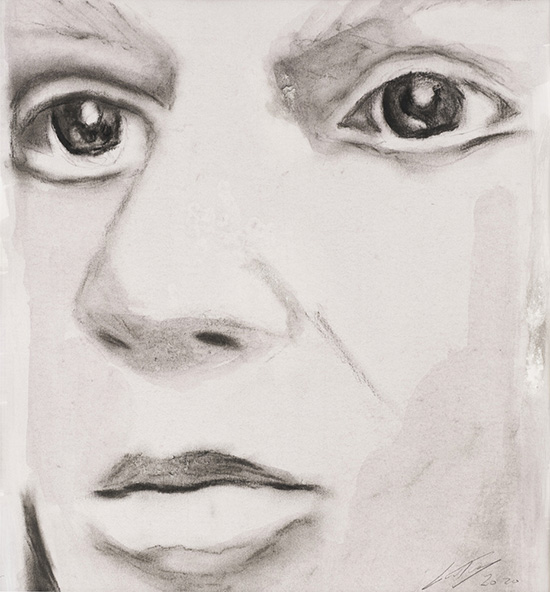
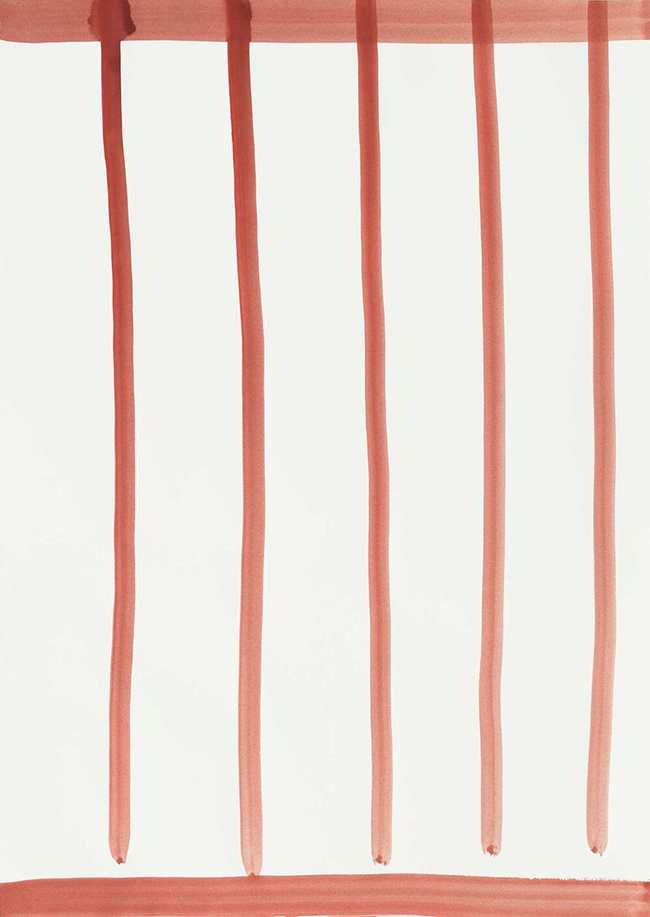
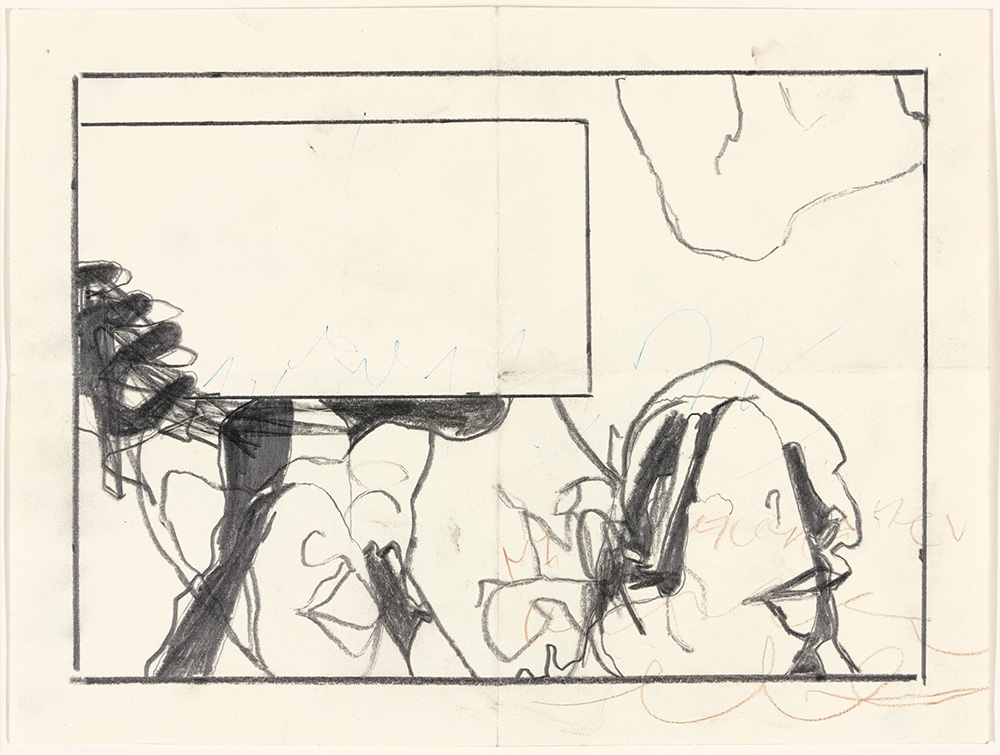
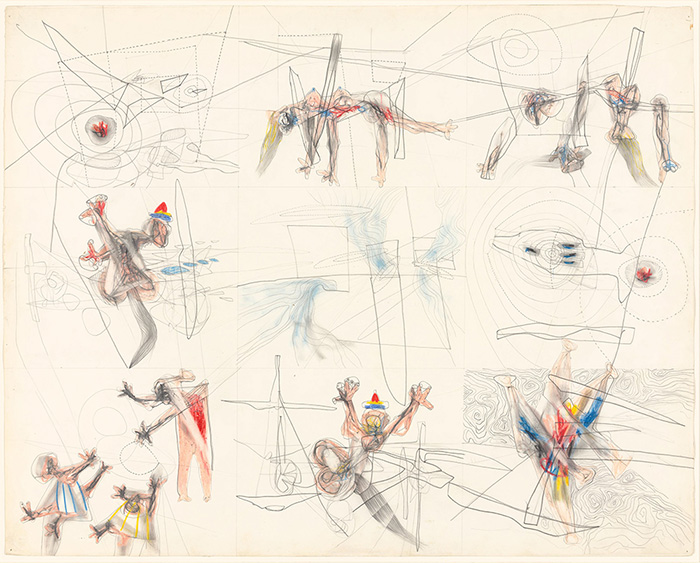
7 November 2024

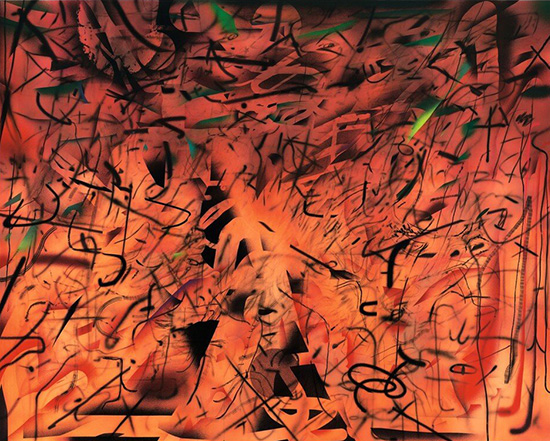
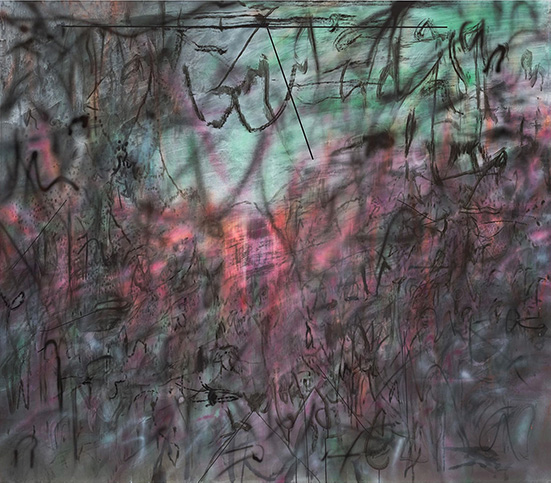
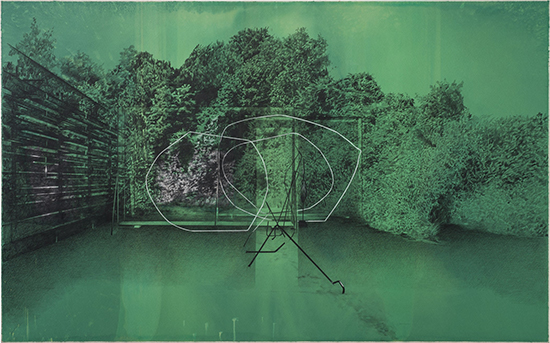
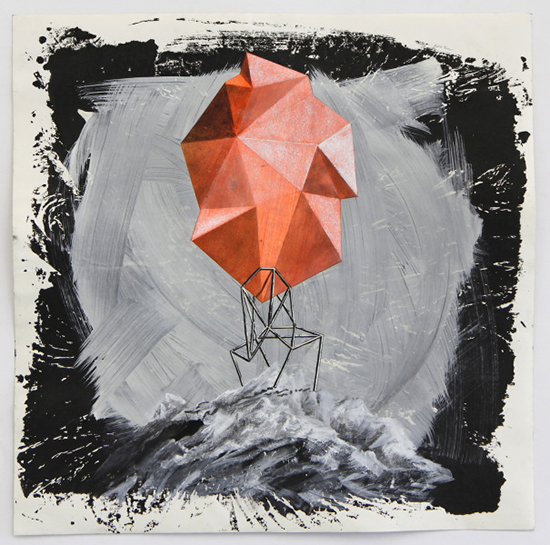
Francis Alÿs

Don’t Cross the Bridge Before You Get to the River, 2007–2008

Francis Alÿs. The Gibraltar Projects
17 November – 18 December 2024
David Zwirner, New York

Links: [website Francis Alÿs] [Gallery David Zwirner] [Francis Alÿs (publication): Don’t Cross the Bridge Before You Get to the River” (Museum of Contemporary Art Tokyo, Kyoto, Japan, 2013)] [Art21: interview]

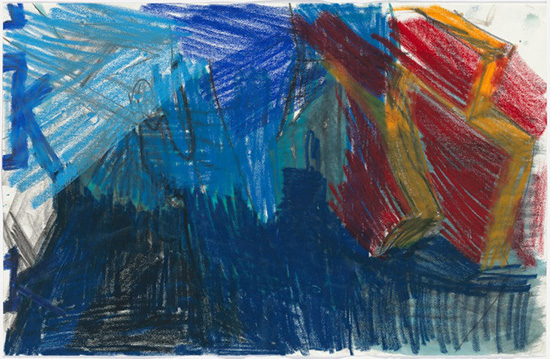
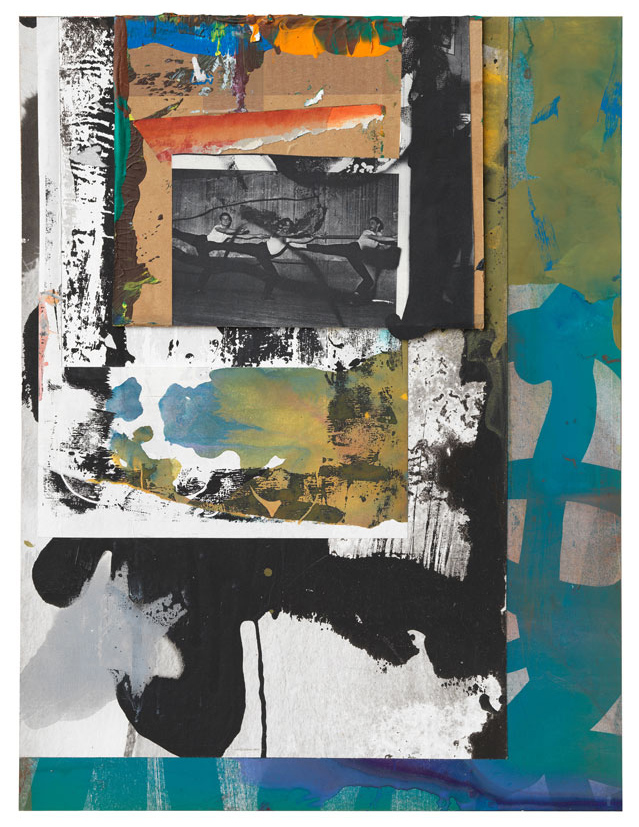
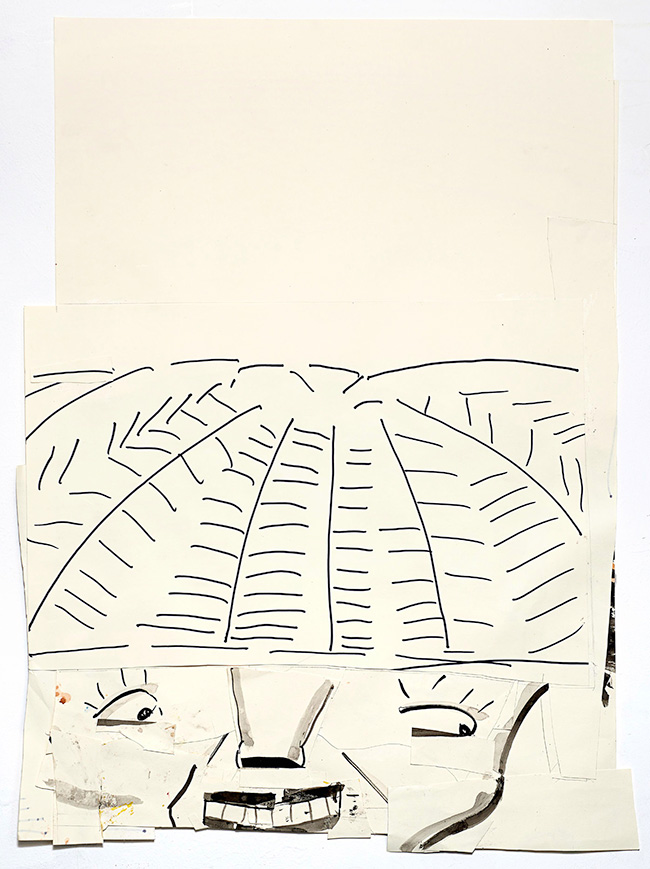
Francis Alÿs

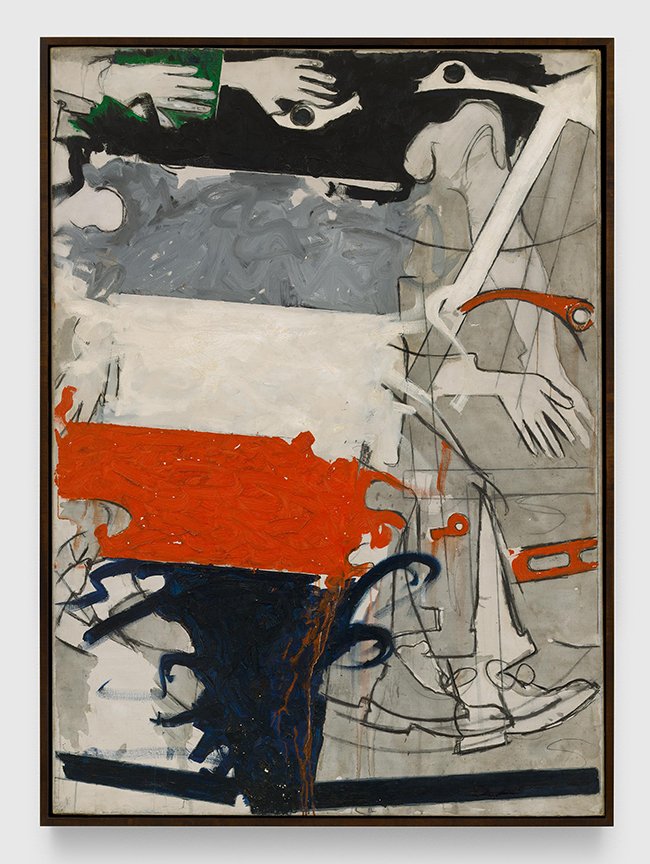
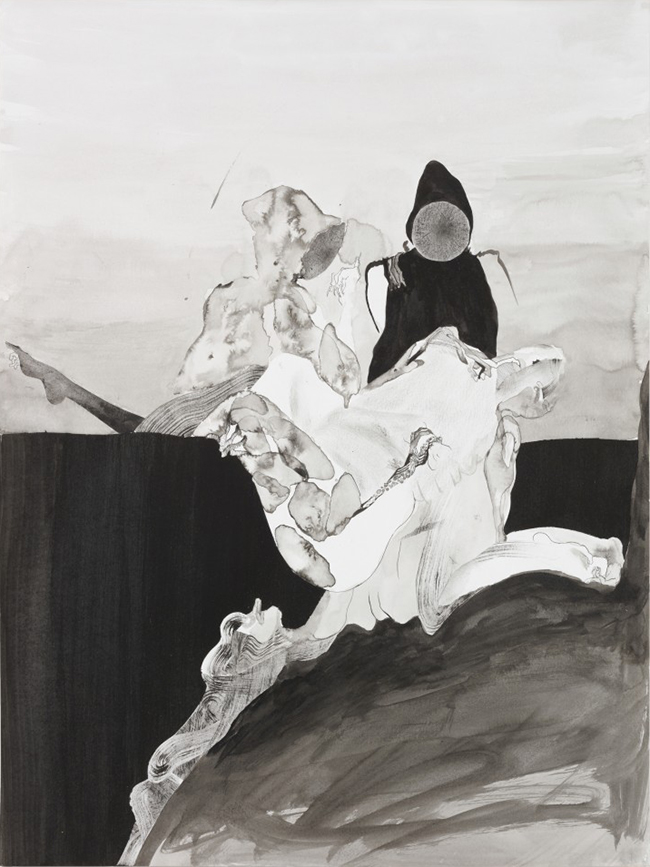
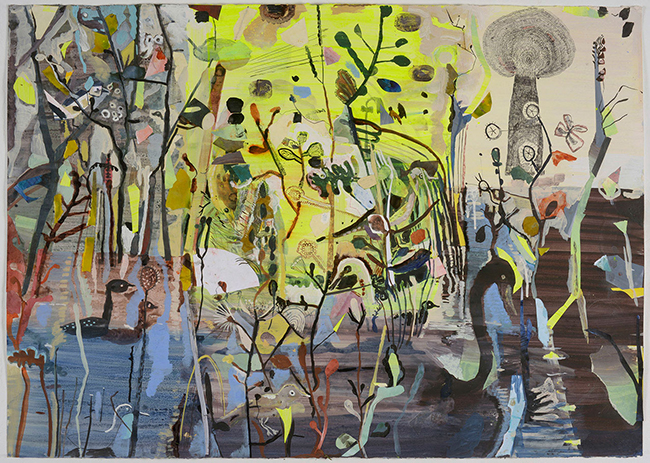
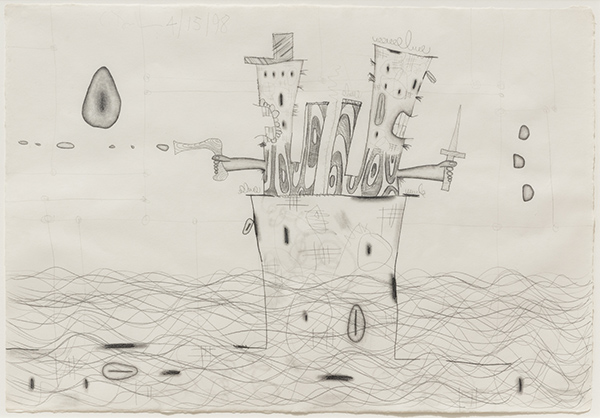
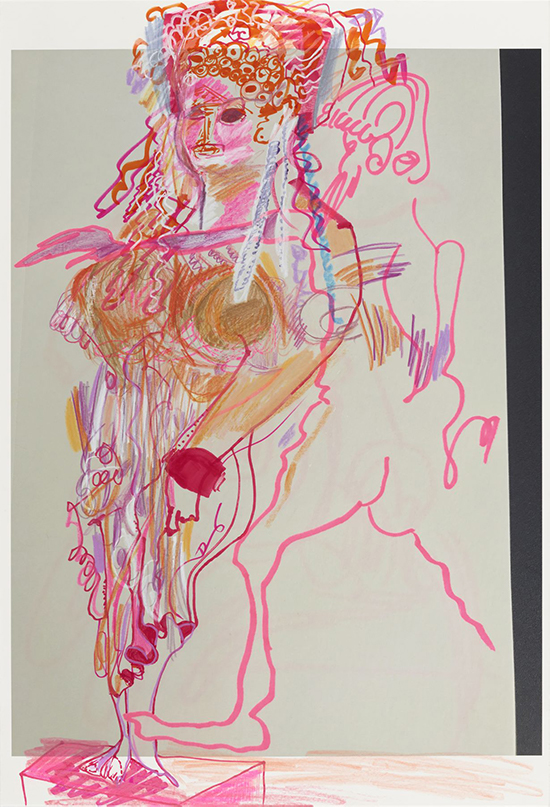
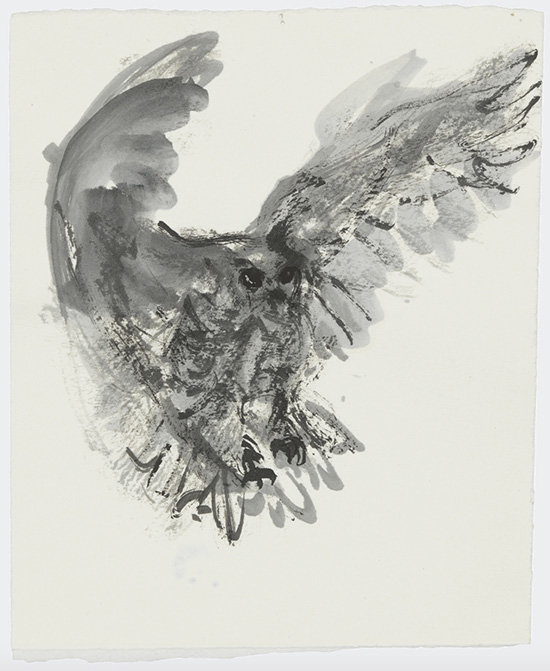
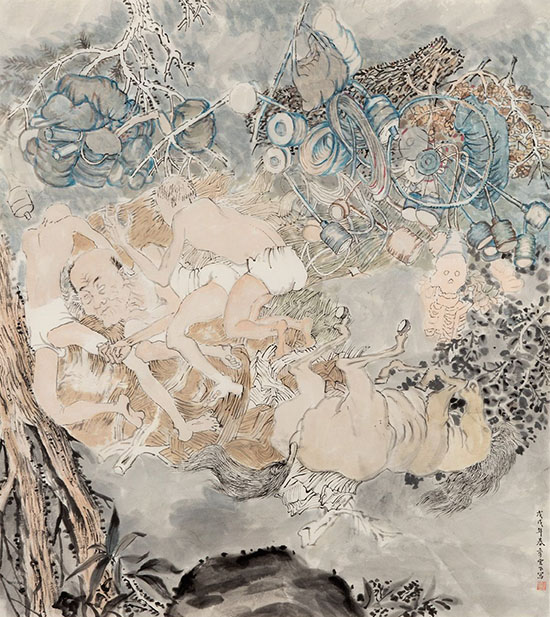
Untitled (Study for Don’t Cross the Bridge Before You Get to the River, 2007–2008

[from the pressrelease]
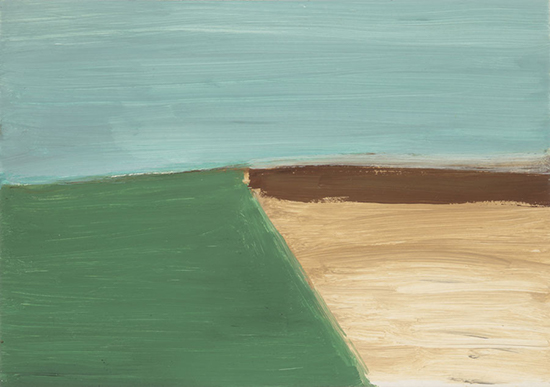
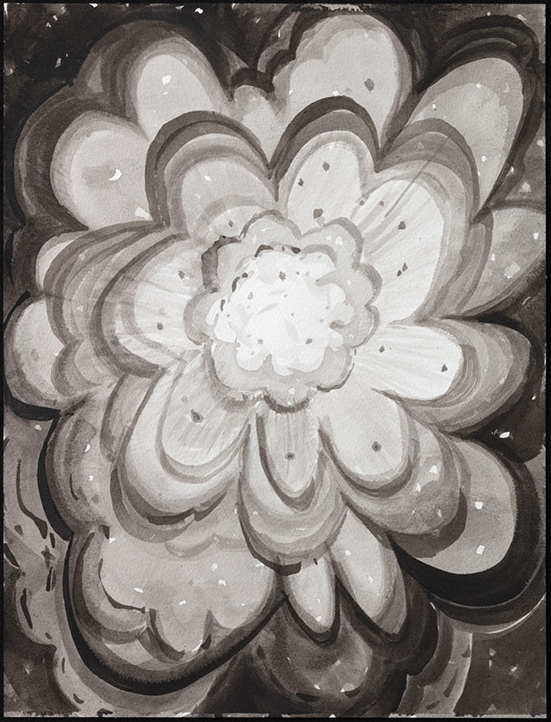
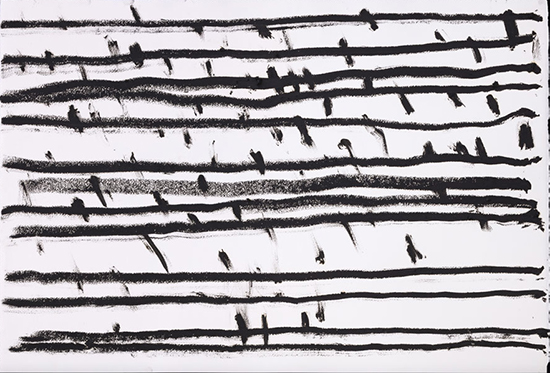
The Gibraltar Projects: Don’t Cross the Bridge Before You Get to the River is an expansive group of works made from 2005 onward that derive from Francis Alÿs’ yearslong efforts to create the illusion of a bridge spanning the Strait of Gibraltar. The  Gibraltar Projects consists of paintings, drawings, sculptures, videos, notes, and ephemeral materials. With this body of work, Alÿs examines geographical and philosophical notions of borders as well as larger issues concerning freedom of movement. Francis Alÿs: “According to myth, the Strait of Gibraltar is the place where Hercules separated Europe from Africa and opened the Mediterranean Sea from the Atlantic Ocean. The Strait seemed like the obvious place to illustrate this contradiction of our times: how can one promote global economy and at the same time limit the global flow of people across continents?”

The body of work on view relates to a public action that took place simultaneously in between Tangier, Morocco, and Tarifa, Spain, cities facing each other across the Strait of Gibraltar. A line of local children, each holding a small boat fashioned from a shoe, assembled on the beach in Tarifa, while a counterpart line of children holding shoe-boats gathered on the beach in Tangier.

Attempting to bridge not only continents but also cultures, the two lines of children waded into the lapping waves, trying to move toward each other, holding their boats up to the horizon line, while the tide relentlessly pulled them back to the shore, in an effort to answer the question posed by Alÿs: “Will the two lines meet in the chimera of the horizon?”

Alÿs: “The video and the paintings and drawings are about the idea of migration, the idea of the dream, the idea of fantasy, and the idea of failure, but through quite different languages: the drawings [and paintings] are everything I cannot do in real life and in videos. It’s the more allegorical part of the project.”

Francis Alÿs

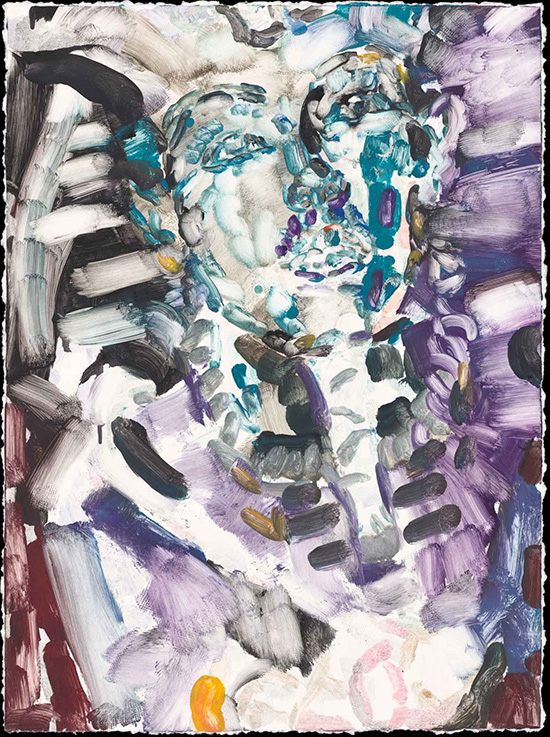
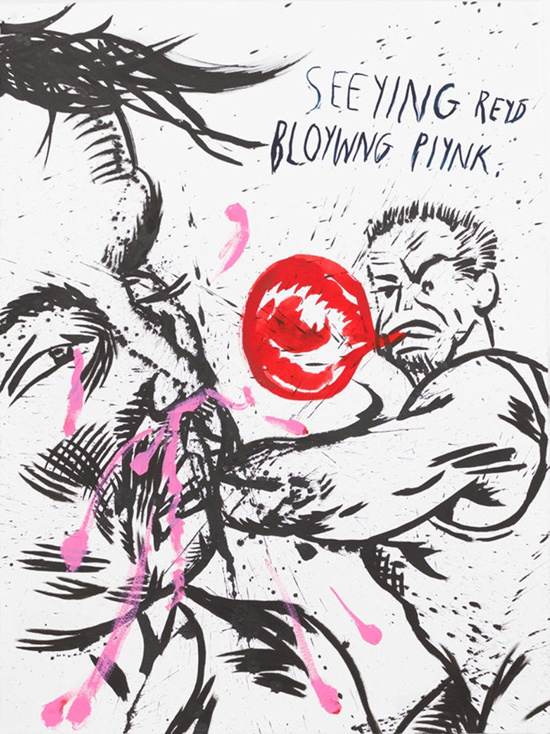
Untitled (Study for Don’t Cross the Bridge Before You Get to the River, 2007–2008

Francis Alÿs

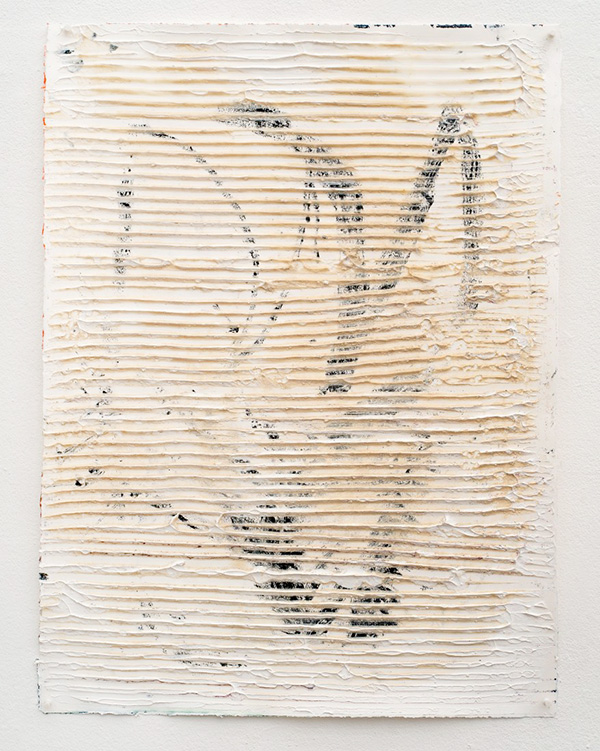
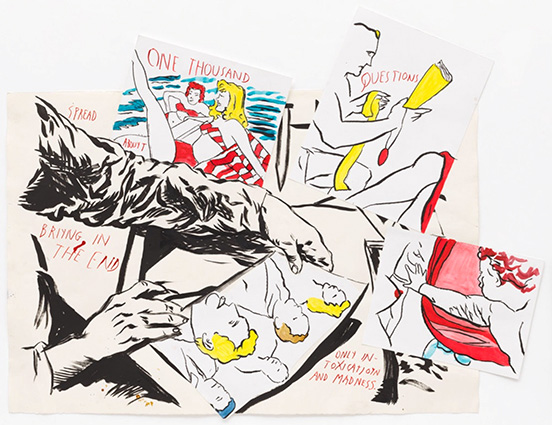
Untitled (Study for Don’t Cross the Bridge Before You Get to the River, 2007–2008

27 June 2024

Mary Heilmann

Tea Garden, 1984
Watercolor on paper
76.2 x 55.9 cm

Mary Heilmann. Daydream Nation
(curated by Gary Simmons)
2 May – 26 July 2024
Hauser & Wirth, New York

Mary Heilmann

Untitled Watercolor Study, 1980s c.
Watercolor on paper
17.5 x 12.4 cm

[from the pressrelease]
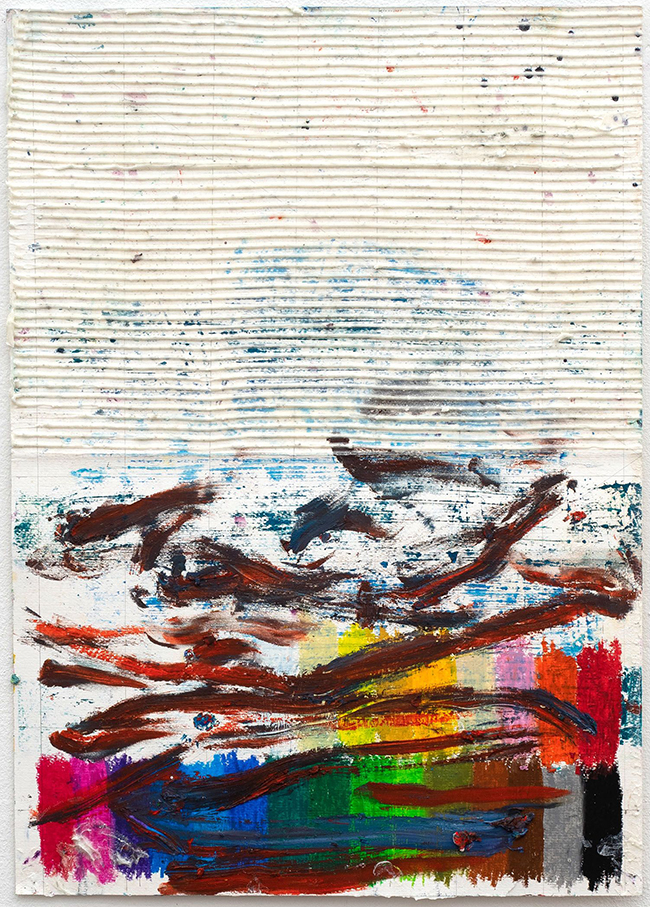
‘Daydream Nation’ (…) explores Mary Heilmann’s ongoing interest in drawing as a form of transcribing memory. Curated by artist Gary Simmons, Heilmann’s friend and former student and colleague at New York’s School of Visual Arts, the exhibition celebrates her talent for distilling complex images and ideas into deceptively simple geometric forms and abstract gestural marks. Through rarely and never-before-seen works on paper from the 1970s to early 2000s, this presentation reveals how drawing functions as a form of daydreaming—of conjuring the sights, sounds and events of her past travels or her imagined future—in Heilmann’s creative process. 

Heilmann is known for working across mediums and for installations which playfully combine disparate works. Reflecting on the artist’s approach to exhibition-making, ‘Daydream Nation’ brings together works on paper, ranging from watercolor studies for larger paintings to works that function as paintings on paper in their own right, alongside a selection of her ceramic sculptures and sculptural chairs to create an ambiently whimsical yet conceptually rigorous environment. Heilmann often works in series, revisiting and reimagining certain arrangements of form and color over time, as evidenced here in such recurring motifs as the chair, rosebud, spiral, wave and web. But in Heilmann’s oeuvre, repetition begets difference and from this multiplicity emerges important truths about the functions of memory and our process of translating it.

Drawing has always factored significantly into Heilmann’s practice, manifesting in a variety of forms in ‘Daydream Nation.’ The exhibition features a new mural-like installation that reimagines and expands an existing work into a new form of expression. Heilmann’s seventh wall drawing to date, this installation was developed in conversation with Simmons, who frequently explores the monumental scale of this medium in his own work.

Mary Heilmann

Untitled Watercolor Study, 1991-1997 c.
Watercolor on paper
37.8 x 27.6 cm

25 March 2023

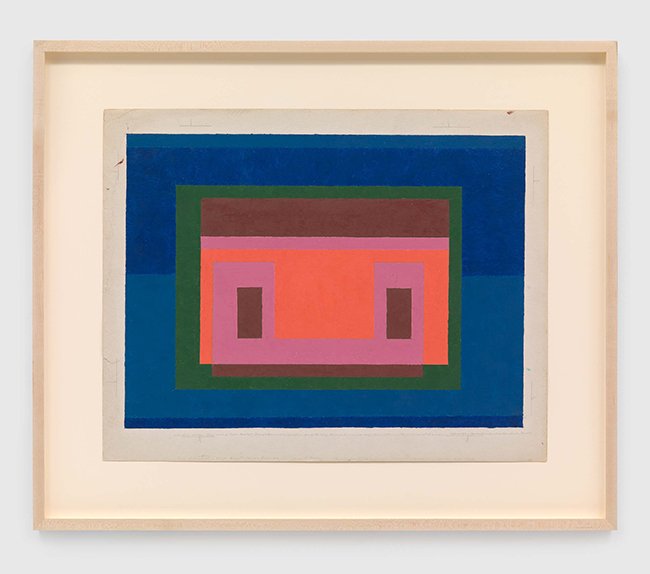
Josef Albers

Variant/Adobe, 1947
Oil on blotting paper
49.5 x 61.6 cm

Josef Albers: Paintings Titled Variants
28 February – 15 April 2023
David Zwirner, London

Josef Albers

Variant/Adobe, 1947
Oil on blotting paper
46 x 61.3 cm

Josef Albers

Study for Graphic Tectonic, c. 1942
Ink on paper
43.2 x 55.9 cm

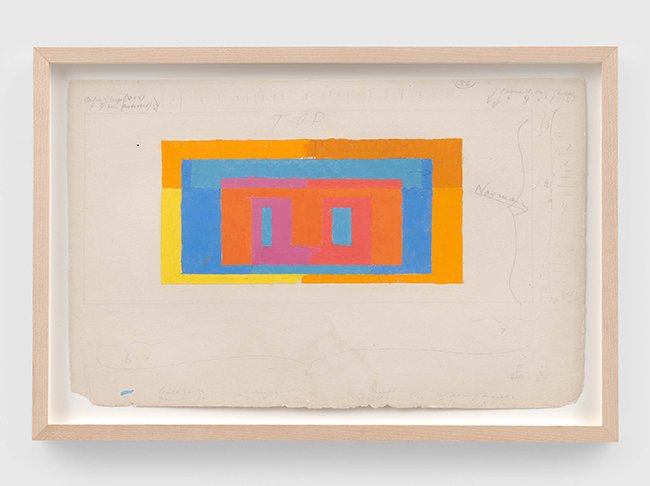
Josef Albers

Color study for a Variant/Adobe, c. 1970
Oil on blotting paper
29.2 x 45.7 cm

21 February 2023

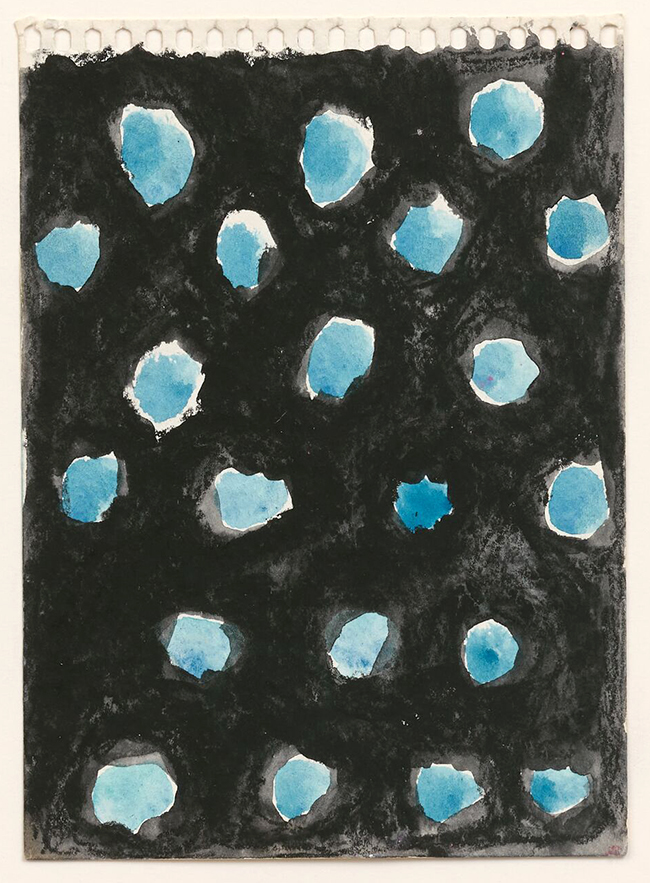
Martin Creed

Work No. 3765, 2023
Watercolor, acrylic, gouache on paper
31 x 23.2 cm

Martin CreedStep Paintings
11 February – 10 April 2023
Hauser & Wirth, St. Moritz

Martin Creed
Work No. 3768, 2023
Watercolor, acrylic, gouache, pencil on paper
31 x 23.2 cm

Martin Creed
Work No. 3764, 2023
Watercolor and pencil on paper
31 x 23.2 cm

1 February 2023

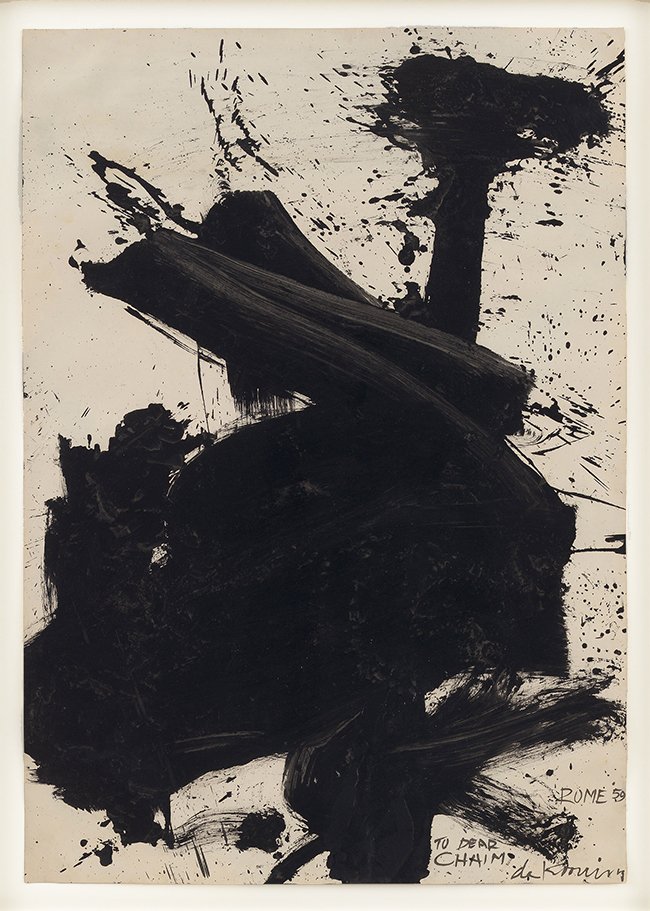
Willem de Kooning

Untitled, 1959
Ink on paper
99.7 x 69.8 cm

Roma New York 1953 – 1964
Including: Afro, Carla Accardi, Franco Angeli, Luigi Boille, Alberto Burri, Giuseppe Capogrossi, Piero Dorazio, Tano Festa, Giosetta Fioroni, Philip Guston, Franz Kline, Willem de Kooning, Jannis Kounellis, Conrad Marca-Relli , Gastone Novelli, Achille Perilli, Robert Rauschenberg, Mimmo Rotella, Salvatore Scarpitta, Mario Schifano, Toti Scialoja, Mark Tobey, Cy Twombly
12 January – 25 February 2023
David Zwirner Gallery, New York

Giosetta Fioroni

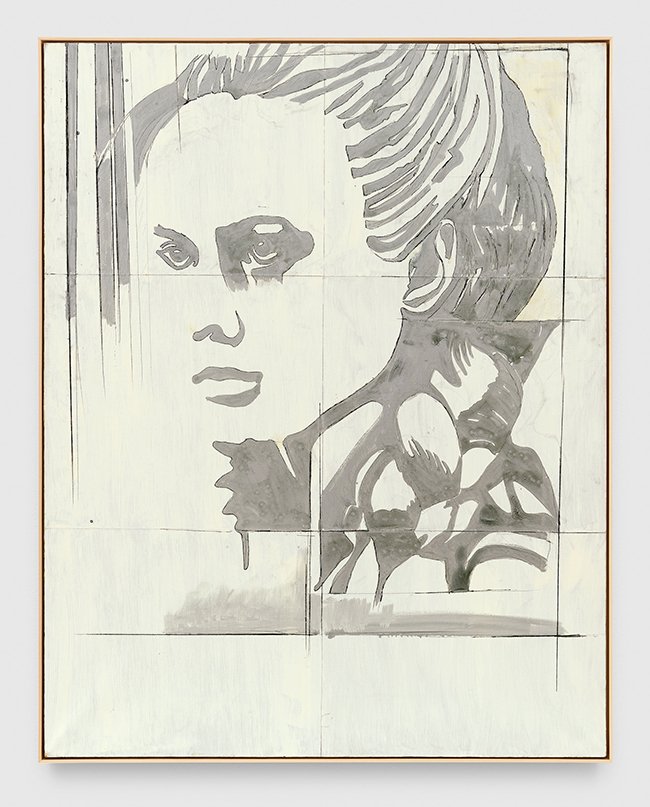
Ragazza sovietica, 1969
Pencil and enamel on paper on canvas
179.1 x 140.3 cm

Cy Twombly

Sperlonga drawing, 1959
Oil-based house paint, pencil, and wax crayon on paper
69.9 x 100 cm

Mario Schifano

No. 2 dagli Archivi del Futurismo, 1965
Enamel and graphite on canvas
160.3 x 114.9 cm

17 January 2023

Günther Förg

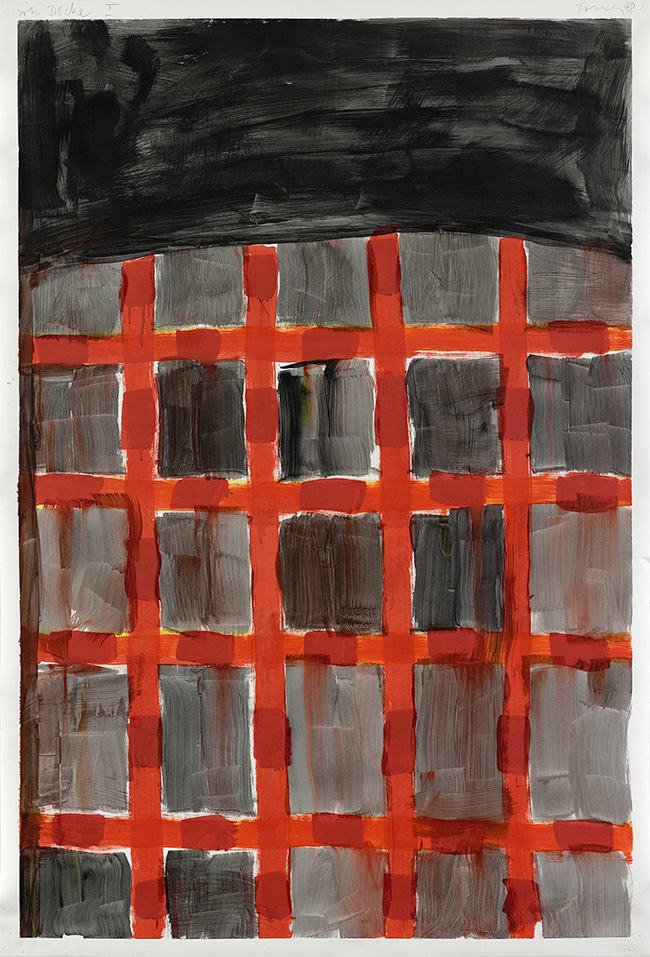
Untitled, 1998
Acrylic on paper
148 x 100 cm

Günther FörgPeintures sur Canson
12 January – 4 March 2023
Gallery Lelong & Co., Paris

Günther Förg
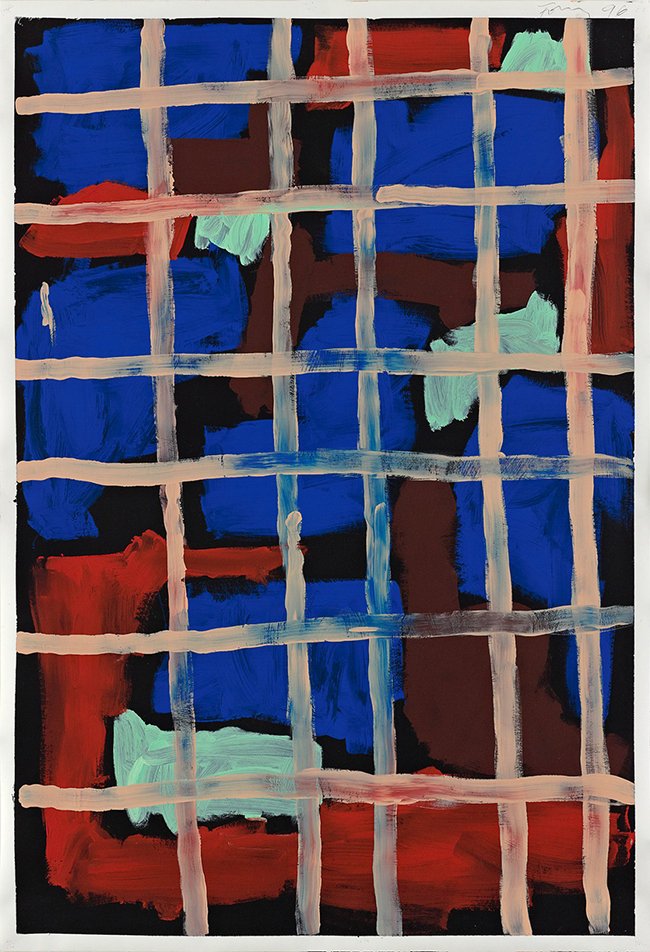
Untitled, 1996
Acrylic on paper
148 x 100 cm

[from the pressrelease]

This new exhibition of Günther Förg (1952-2013) brings together an ensemble of twelve paintings on large sheets of Canson paper, made at the very end of the twentieth century (1996 – 2000). Most of them have never been on show before. Together, they suggest a kind of synopsis of several major artistic trends of the century that was then ending. Förg refused to be pigeon-holed into any artistic school or movement, whether abstract or figurative. He saw himself as a free artist who drew inspiration as much from observing reality around him as from the work of the major artists he admired. He considered painting on paper to be just as important as works on canvas. A previous exhibition at Galerie Lelong in 2015 displayed very large paper works from 1989-90.

This new grouping of works evokes – in an allusive and never ponderous manner – Ernst Wilhelm Nay or Nicolas de Staël, of Edvard Munch or Alberto Giacometti (the knee), as well as the artist’s own recurrent themes and structures such as grids and windows. Each of these works evinces the marvellous ease and accuracy that characterised the artist’s touch, the suppleness and liveliness of his brush. Ten years after his untimely death, his work has achieved a solid reputation internationally, a model of freedom that has become a point of reference and an inspiration for many young artists.

Günther Förg
Untitled, 1998
Acrylic on paper
148 x 100 cm

14 January 2023

Lynne Woods Turner

Untitled #9465, 2022
oil and pencil on linen over panel
25.40 x 20.32 cm

Vince Skelly and Lynne Woods Turner
10 December 2022 – 14 January 2023
Adams and Ollman, Portland

Lynne Woods Turner
Untitled #1047, 2013
pencil and colored pencil on Japanese paper
25.40 x 20.32 cm

Lynne Woods Turner
Untitled #9154, 2014
oil on linen over panel
40.64 x 33.02 cm

9 January 2023

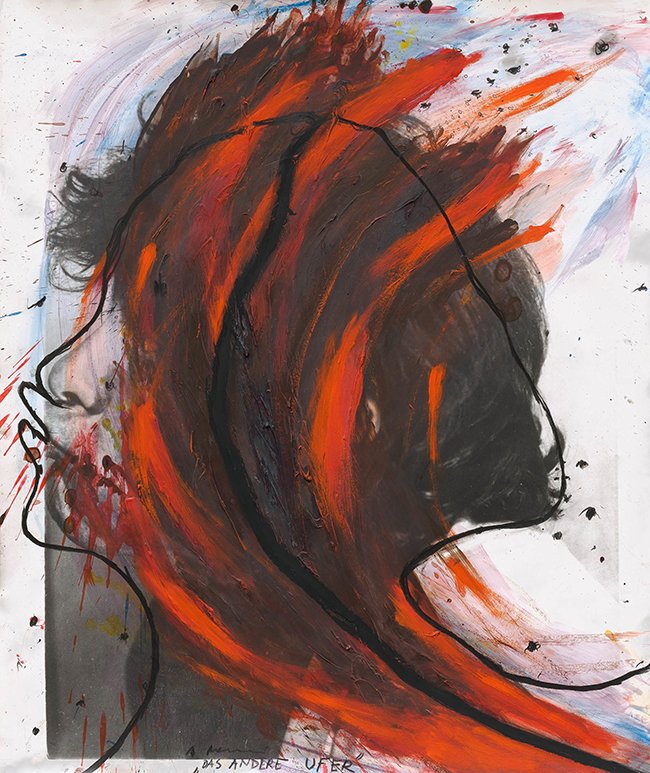
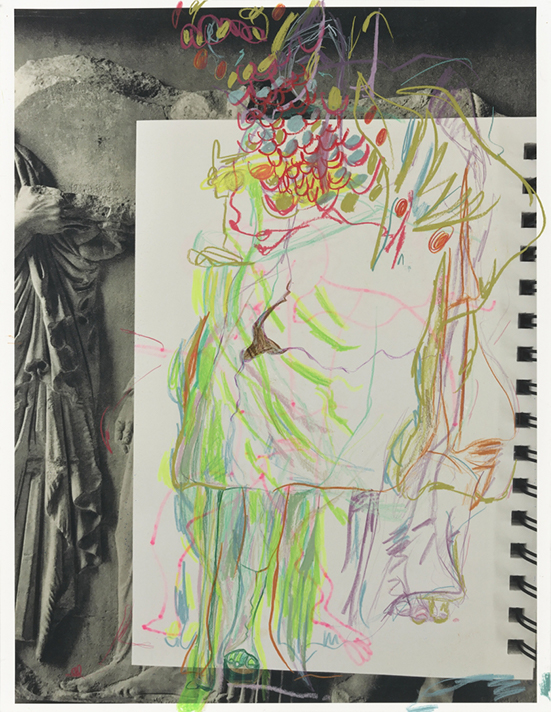
Arnulf Rainer

Selbstüberzeichnung (Overdrawing Self), 1969-1970
Oil, chalk on photograph
49.5 x 40 cm

Antonius Höckelmann | Arnulf Rainer
23 November 2022 – 11 February 2023
Michael Werner, New York

Antonius Höckelmann

Untitled, 1985
Pencil, pastel, gouache on paper
43 x 30.5 cm

Arnulf Rainer
Das andere Ufer (The Other Shore), n.d.
India ink, oil on photograph
60 x 50 cm

Antonius Höckelmann
Untitled, 1975
Wax crayon, gouache, pencil on paper
68 x 99.5 cm

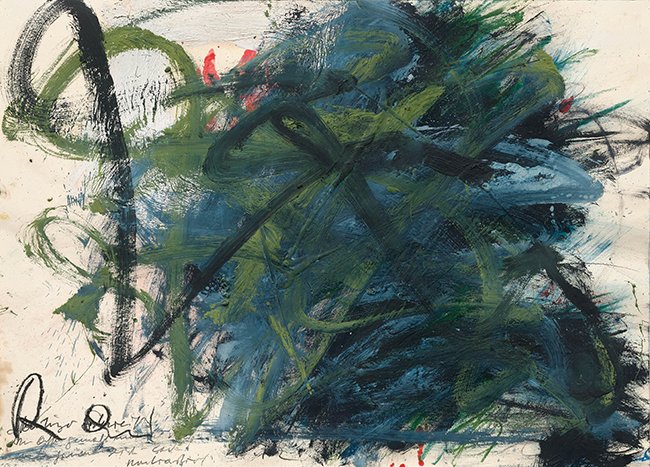
Arnulf Rainer
Untitled (Chaotic Paintings), 1980-1983
Oil, watercolor on paper
45 x 62 cm

3 January 2023

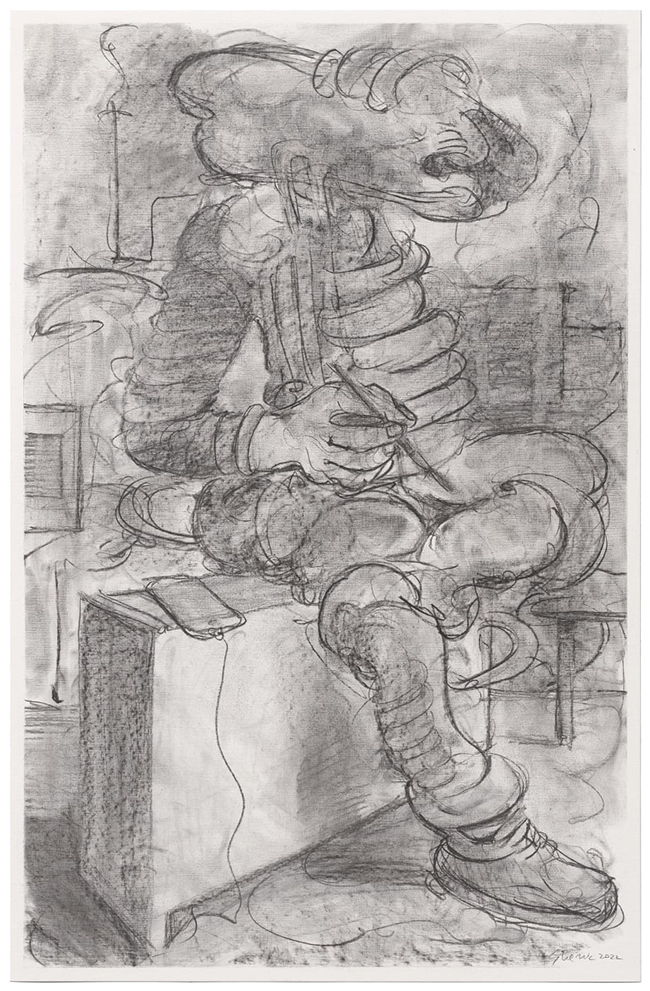
Adrian Ghenie

Study for “Studio Scene 2” 2, 2022
Charcoal on paper
100 x 65 cm

Adrian GhenieThe Fear of Now
12 October 2022 – 10 January 2023
Thaddaeus Ropac, London

Adrian Ghenie
Study for “Studio Scene” 3, 2022
Charcoal on paper
100 x 65 cm

[from the pressrelease]
Adrian Ghenie employs a new drawing technique to construct the complex compositions of his figurative works. He applies charcoal to a paper primed for use with oil paint, which allows him to lay down, erase and rework his mark making. He is able to ‘rehearse’ his paintings through these preparatory studies ‘without the stress of being precise’, enacting what he describes as a ‘drawing based on mistakes’.

This innovative drawing technique informs new developments in Ghenie’s painting practice. Earlier works are characterised by thick impasto and gestural swathes of paint applied with a palette knife. In contrast, the recent works take a more linear approach as the medium is applied thinly with a small brush. He compares these works to ‘coloured drawings’, collapsing clear distinctions between mediums in a style evocative of the figurative works of Austrian artist Egon Schiele.

1 January 2023

David Shrigley

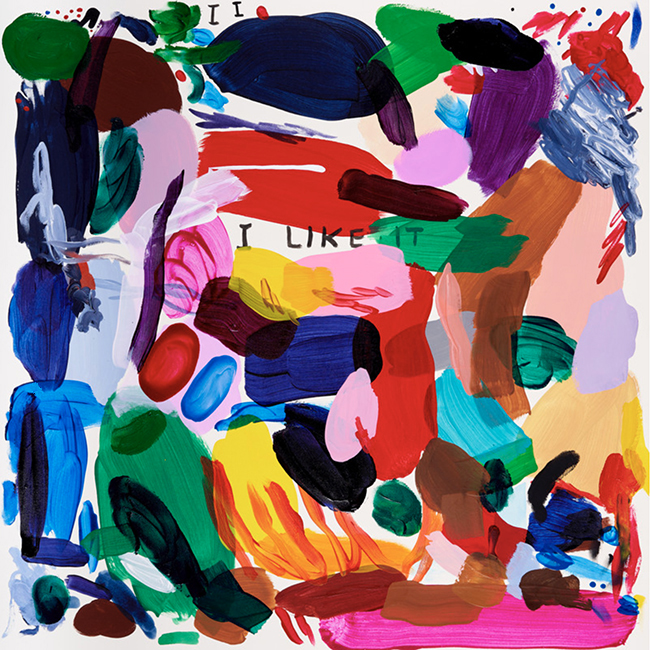
Untitled (I Like It), 2022
acrylic on paper
55 x 55 cm

David Shrigley. Proposals for Record Covers
3 December 2022 – 28 January 2023
Galerie Francesca Pia, Zürich

David Shrigley
Untitled (I Still See Him When I Close My Eyes), 2022
acrylic on paper
55 x 55 cm

[from the pressrelease]
Shrigley’s oeuvre includes classical artistic media such as drawing, painting, sculpture, photography, video, and installation, among others, as well as the publication of numerous books, cartoons for newspapers, his own merchandising products, and the design of record covers. Thus, the exhibition’s title Proposals for Record Covers can also be understood as a reference to his own navigation between the art world— in the narrower sense—and a more commercial context, whereby one does not exclude the other. Instead, these different spheres enrich each other. At the same time, the title can also be understood as an absurd task that does not seek fulfilment.
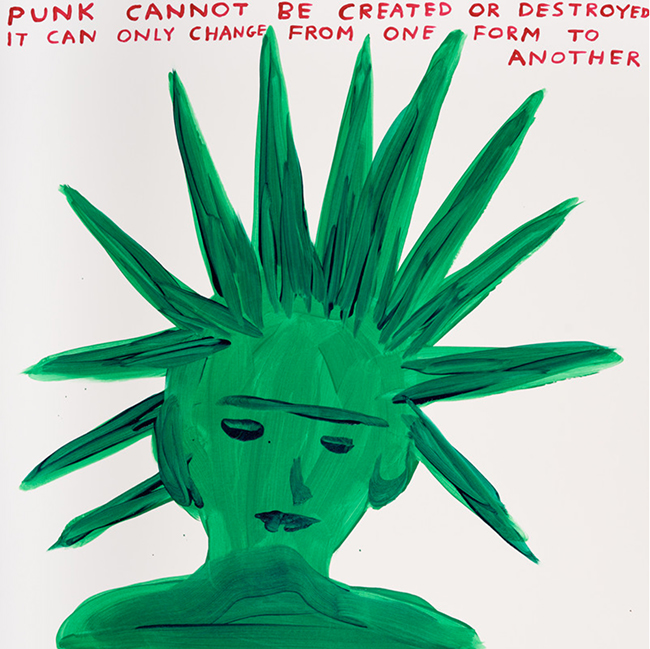
Formally, the fifty new paintings on display—all acrylic on paper—in fact resemble oversized record covers. They are square, and the subjects are usually depicted frontally and centered; they take up a large part of the surface and are compelling in their reserved colourfulness, which strongly stand out against the background, which is always white. In terms of content, the works are based on the humorous image-text combinations for which Shrigley has become known, particularly in the context of his drawings. These range from obvious tautologies, as in Untitled (Centre Parting) and his surprising health tips as in Untitled (Cigarettes Are Good for You, in a Way) or negotiate strange fears as in Untitled (Red Guitar, Do Not Be Afraid of It), to mention only a few examples.
In these paintings, Shrigley manages to reduce his ideas to the absolute minimum in order to communicate as simply and directly as possible. In combination with his dry, often biting humour, Shrigley’s works address banalities and shortcomings of everyday life, society and the state of the world, in order to demonstrate just how valuable humour is as a means of healthy detachment, especially in times like ours.

David Shrigley
Untitled (Here), 2022
acrylic on paper
55 x 55 cm

David Shrigley
Untitled (Punk Cannot Be Created or Destroyed), 2022
acrylic on paper
55 x 55 cm

30 December 2022

Dashiell Manley

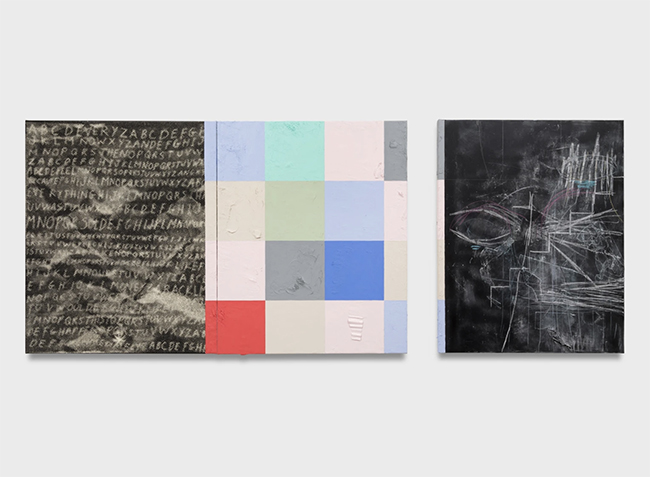
letters I. E.W.A.T.I.F.A.B.E.T.W.S.T.U.W.W.W.K.I.B.A.I.W.L.O.M.B.W.W.L.T.T.H.I., 2022
Gouache, acrylic, graphite, chalk, pastel, newspaper, and oil stick on linen
3 panels, each: 99.1 x 81.3 cm
Overall: 99.1 x 243.8 cm

Dashiell ManleyModel _______
16 November 2022 – 7 January 7 2023
Marianne Boesky Gallery, New York

Dashiell Manley
[detail] letters I. E.W.A.T.I.F.A.B.E.T.W.S.T.U.W.W.W.K.I.B.A.I.W.L.O.M.B.W.W.L.T.T.H.I., 2022
Gouache, acrylic, graphite, chalk, pastel, newspaper, and oil stick on linen
3 panels, each: 99.1 x 81.3 cm
Overall: 99.1 x 243.8 cm

Dashiell Manley
detachments. argument; who’s next?, 2022
Gouache, acrylic, graphite and oil stick on linen
121.9 x 152.4 cm

19 December 2022

Stanley Whitney

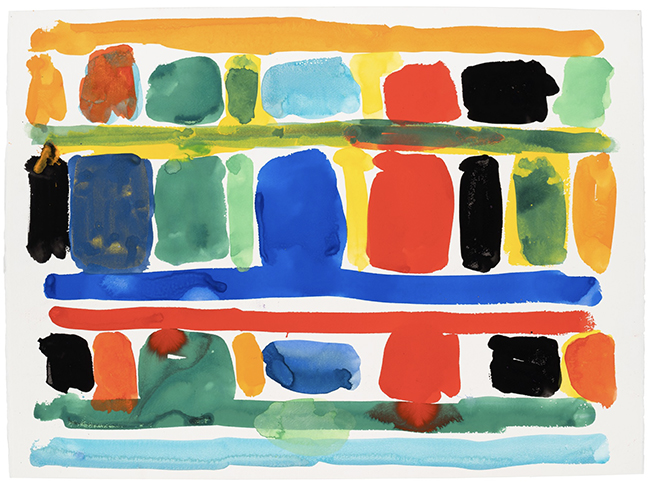
Untitled, 2020
gouache on paper
55.9 x 76.2 cm

Stanley WhitneyPaintings on Paper
19 December 2022 – 23 January 2023
Gagosian, Gstaad

Stanley Whitney
Untitled, 2016
gouache on paper
55.9 x 77.5

[from the pressrelease]

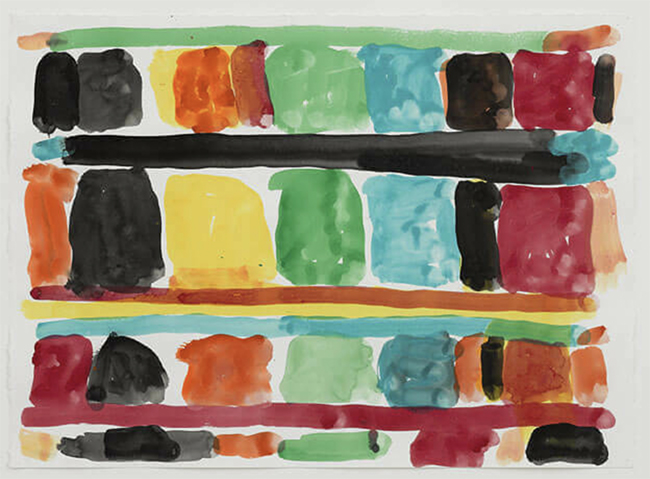
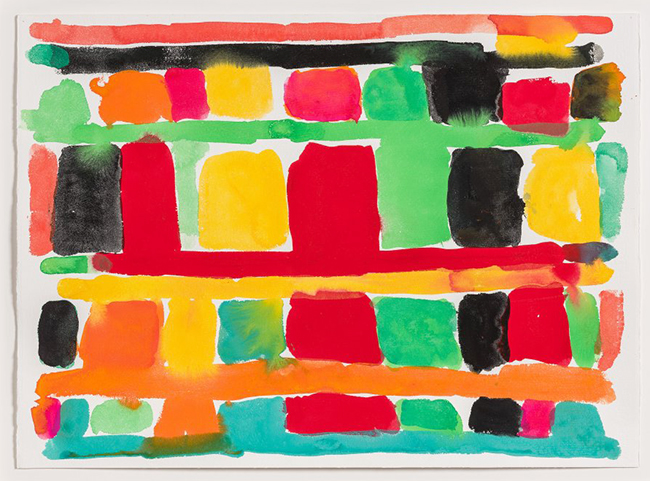
Whitney’s paintings imbue loose “stacked” compositions with dynamic and unpredictable rhythms of color and space. Inspired by sources as diverse as experimental jazz and American quilt making, he marshals energetically brushed blocks and bars of pigment distinguished by transparency and tension wherever they intersect. Having worked in an abstract mode since the 1970s, he consolidated his current approach in the early 1990s during time spent in Italy. There, captivated by the effect of light on the façades of ancient Roman buildings such as the Colosseum and Palazzo Farnese, he achieved a new understanding of the relationship between color and geometry.

In the gouaches on view in Gstaad, which were made over a seven-year period, Whitney translates the square format of his large-scale canvas paintings to smaller works on paper. These compositions reveal the consistency of structure that undergirds his ostensibly spontaneous project. Far from being mere studies, they are robust independent undertakings in which the artist discovers new possibilities. Like other greats of abstract painting such as Ad Reinhardt and Al Taylor, Whitney takes the simplicity and flexibility of his medium and support as starting points from which to further extend his visual and atmospheric range.

Allowing the surface and tone of the paper to introduce texture and white space into his compositions, Whitney orchestrates a figure/ground interplay that is absent from his canvases, in which paint accounts for the works’ entire coloration and fully covers their supports. At certain moments the works’ stacked “parcels” of color bleed into one another, or into the bars that divide them horizontally, while at others they remain distinct. Throughout, however, the untouched surface of the paper intervenes to become a compositional element. This shift allows the grid to emerge here with especial clarity; it also makes apparent the point at which that structure disintegrates, transforming itself into something new.

Gouache, a water-based matte paint composed of ground pigments and plant-based binders, has a notable opacity derived from the addition of white fillers, such as clay or chalk, or a high pigment content. While making striking use of the medium’s color saturation, Whitney also dilutes his paint to give the application a translucent luminosity more often associated with watercolor. The resultant works have a distinctive mottled surface and blushing tint that, as is the case with their oil-on-canvas counterparts, recalls Whitney’s Roman inspiration through an active interplay of extemporaneity and design.

Stanley Whitney
Untitled, 2018
gouache on paper
55.9 x 76.2 cm

13 December 2022

Anni Albers

Study for Camino Real, 1967
Gouache and diazotype on paper
44.5 x 40.6 cm

Anni and Josef Albers 
15 October 2022 – 15 January 2023
Kunstmuseum Den Haag

Josef Albers

Homage to the Square, 1957
Oil on Masonite
61 x 61 cm

17 November 2022

Daniel Jensen

Shipwrecked, 2022
Soft pastel, Graphite and Gesso on canvas
140 x 100 cm

Daniel JensenHover on the Edge of Sleep
17 November – 18 December 2022
Alzueta Gallery, Madrid

Daniel Jensen
Tunnel Vision, 2022
Charcoal, soft pastel and gesso on canvas
140 × 100 cm

Daniel Jensen
Untitled, 2022
Soft pastel, charcoal acrylic and varnish on canvas
180 × 130 cm

13 November 2022

Nicola Tyson

Straying into the visual field, 2020
graphite on paper
50.8 x 37.5 cm

Nicola Tyson
Self-Portrait: Tired (black turtle neck), 2017
acrylic on paper
60.9 x 45.9 cm

29 October 2022

Margarita Gluzberg

Pink-Violet 1960 Mix, 2022
Pastel and graphite pencil on canvas
186 x 165 cm

Margarita Gluzberg Proper Time
20 October – 19 November 2022
Karsten Schubert, London

Margarita Gluzberg
Glass 1950 Mix, 2022
Colour and graphite pencil on paper
78 x 56 cm

Margarita Gluzberg
Ground-Green 1960/80 Mix, 2022
Pastel on canvas
200 x 166 cm

22 October 2022

Bernd Ribbeck

Untitled, 2022/004
acrylic, pigment marker and ballpoint pen on MDF
36 × 27 cm

Bernd Ribbeck
3 September – 22 October 2022
Kadel Wilborn, Düsseldorf

Bernd Ribbeck

Untitled, 2022/002
acrylic, pigment marker and ballpoint pen on MDF
33,6 × 25,6 cm

14 October 2022

Cy Twombly

Untitled, 2002
Acrylic, wax crayon, and pencil on handmade paper, in unbound handmade book, 16 pages
Each page (approximately): 56.9 x 38.7 cm

Cy Twombly
15 September – 17 December 2022
Gagosian Gallery

Cy Twombly
Untitled, 2004
Acrylic on canvas
213.7 x 151.7 cm

5 October 2022

Pélagie Gbaguidi

Care, 2020
dry pastel and wool on paper
21 x 29 cm

40 YEARS of Zeno X Gallery – the two-thousands
[with: N. Dash, Jan De Maesschalck, Pélagie Gbaguidi, Kees Goudzwaard, Susan Hartnett, Yun-Fei Ji, Kim Jones Naoto Kawahara, Martin Margiela, Philip Metten, Paulo Monteiro, Jockum Nordström, Marina Rheingantz, Pietro Roccasalva, Grace Schwindt, Jenny Scobel, Hyun-Sook Song, Bart Stolle, Mircea Suciu, Jack Whitten]
24 September – 12 October 2022
Zeno X Gallery, Antwerpen

Susan Hartnett

Oct. 11 2011 #2, Blue-joint grass (Calamagrostis canadensis), 2011
charcoal on paper
56,5 x 76 cm

Jockum Nordström

Cat Dog Cat, 2016
collage, watercolour and graphite on paper
40 x 50 cm

3 October 2022

Ron Gorchov

Untitled, 1972
Watercolor on paper
60.96 x 48.26 cm

Ron GorchovWatercolors 1968 – 1980
29 September 2022 – 14 January 2023
Cheim & Reid, New York

Ron Gorchov
Untitled, 1971
Watercolour on paper
50.8 x 66.04 cm

Ron Gorchov
Untitled, 1979
Watercolour and graphite on paper
40.64 x 30.48 cm

6 September 2022

Peppi Bottrop

Sprgs, 2022
Coal, graphite, acrylic and flame soot on canvas
140 x 90 cm

Peppi Bottrop. Dream On
3 September – 15 October 2022
Sies + Höke, Düsseldorf

Peppi Bottrop
Untitled, 2022
Coal and graphite on paper
59,2 x 42 cm

Peppi Bottrop
Drpwrt Hmlck wtr, 2022
Coal, graphite, acrylic and flame soot on canvas
185 x 150 cm

25 August 2022

Rashid Johnson

Bruise Painting “Libras”, 2021
Oil on linen
244 x 214 x 5.1 cm

Rashid JohnsonSodade
19 Jun – 13 Nov 2022
Hauser & Wirth, Menorca

Links: [Hauser & Wirth]

Rashid Johnson
Seascape “Petit Pays”, 2022
Oil on linen
183.5 x 244.5 x 5.1 cm

Rashid Johnson
Surrender Painting “Got to Give it Up”, 2022
Oil on linen
122.3 x 91.5 x 5.1 cm

23 August 2022

Felipe Baeza

Wayward, 2021
ink, cut paper, graphite, twine, and acrylic collaged on paper
167.6 × 121.9 cm

Felipe Baeza
The 59th Venice Biennale: The Milk of Dreams
23 April – 27 November 2022 | Venice, Italy

Felipe Baeza
Fragments, refusing totality and wholeness, 2021
ink, embroidery, acrylic, graphite, varnish, and cut paper on panel
40.6 × 30.5 cm

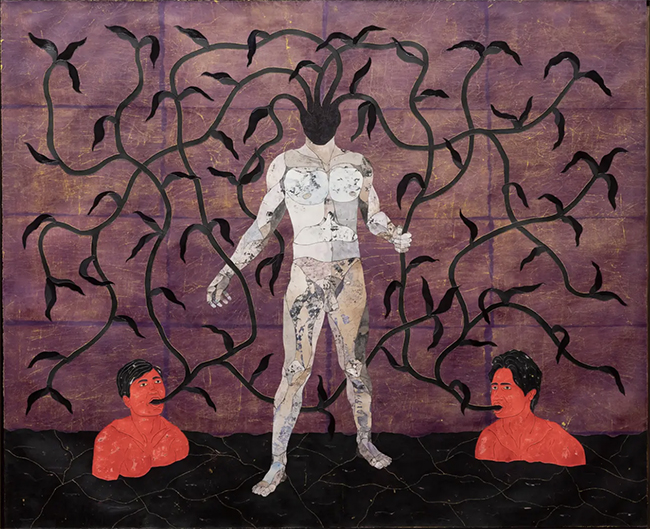
[from the pressrelease] I open against my will dreaming of other planets I am dreaming of other ways of seeing this life These lines title a large-scale painting by Felipe Baeza, who combines collage, mixed media, egg tempera, and printmaking to make heavily textured two- dimensional works. Dreams of other planets, of another life arise through bodies depicted in states of transformation – often half human, half flora. Full foliage bursts from human heads, overtakes torsos and limbs, and erotically vines its way in and out of desirous mouths. Baeza’s approach to material aligns with the concepts that underline his work. This is visible in the new works shown at the Biennale Arte 2022, a continuation of a series Baeza has developed since 2018. He builds up his figures with layer after layer on panel, canvas, and paper, then sanding, carving, and altering the elements within each composition. This intense material manipulation recharacterises traditional drawing and painting processes and, reflecting the artist’s experience of migration to the United States from Mexico and migration across the globe, express his intent to create “fugitive bodies.” Described by the artist as love letters, his paintings and collages are a form of imaginative self-portraiture and future building.

Felipe Baeza
Por caminos ignorados, por hendiduras secretas, por las misteriosas vetas de troncos recién cortados, 2020
ink, flashe, acrylic, varnish, twine, cut paper, and egg tempera on paper

19 August 2022

Ilana Savdie

Me meneaba la cintura, 2022
Pen and acrylic on paper
61 x 45.7 cm

Ilana SavdieIn Jest
8 July – 11 September 2022
White Cube Bermondsey

Ilana Savdie
Mamita mamita, rica y apretadita, 2022
Oil, acrylic and beeswax on canvas stretched on panel
182.9 x 170.2 cm

Ilana Savdie
Paraphyletics, 2022
Pen and acrylic on paper
61 x 45.7 cm

[from the pressrelease]
Expanding on the carnaval tradition of her native Colombia, a subject she has worked with in the past, in this group of paintings Savdie introduces theatrical themes relating to the circus through the repeating motifs of a curtain, a hoof, a ball, a hoop (sometimes becoming a hole or portal), and in the suggestion of stretching, hanging and reaching bodies. Savdie’s fascination with performance is focused on destabilising agents and excessive modes of behaviour, and her visceral, dream-scape paintings celebrate the jester, the trickster, the parasite, the witch and the clown. As Savdie describes it: ‘They are always protesting, always resisting, always questioning power, and they are doing it through a grotesque exaggeration of themselves, their bodies, their failure to be legible, their needs and desires, their oppression, their social norms, their language, it is a mockery of all of it. They mock binaries, especially the idea of good and evil.’

Using fluid, layered, and discursive forms that dance across the canvas, her compositional arrangements are a riot of parasitic, disassembled bodies, ungrounded and endlessly evolving. A display of superabundance and enumeration, entrails, orifices, tissue, muscles, ribs, bones and joints are fused with less decipherable forms that might be some kind of basic organic matter. Worms, slugs, parasites or amoeba are shape shifting entities that destabilise the pictorial status quo, creating disarray and dissolution. Proportions and relative sizes do not adhere to their norms, so that everything appears equal in importance, heightening this structural undoing of the composition.

Drawing on the idea of the genuine or any fundamental authenticity at the heart of performance, Savdie sees role-play as a powerful force that opens a space of belonging for those at the margins of society, and equally, as a mechanism for self-discovery. Themes of perversion, inversion and contamination are celebrated through hybrid, physical matter that amalgamates forms, colours and textures in a single, horizontal plane. From the realistic to the cartoon-like, Savdie’s painterly language fuses into a kind of biomorphic caricature through procedures that range from thin pale washes to passages of thick impasto, from expressive brushwork to smooth, machine-like areas of paint.

A frenzy of incidence, of jostling, intersecting forms, is contrasted with large blank sections of paint and beeswax that create viscous pools of colour with a skin-like surface, pitted and rippled and defined by ridges. Savdie’s palette is distinctive, dominated by hues of searing hot pink, sun yellow, lime green, red, green and deep purple. Describing their effect as both euphoric and grotesque, Savdie uses colour to seduce and repel, and directly associates them with modes of dressing up, including drag and ‘queer’ space. ‘I respond to colour, spaces of ambiguity, the uncanny’, Savdie has said. ‘I’m using language that permeates queer conversation.’

15 August 2022

Stanley Whitney

Untitled, 2015
gouache on paper
56 x 77 cm

Links: [Lisson Gallery] [Gagosian] [2] [3] [Nordenhake]

Stanley Whitney
Untitled (Always Running from the Police – NYC 2020), 2020
graphite on paper
35.6 x 27.9 cm

Stanley Whitney
Untitled, 2016
gouache on paper
56 x 76 cm

Stanley Whitney
Untitled, 1998
graphite on Japanese rice paper
55.9 x 76.2 cm

3 August 2022

Susanna Inglada

Turn the Tables, 2021
charcoal, acrylic, pastel on coloured paper
198 x 211 cm

Summershow
Sam Hersbach, Susanna Inglada, Jantien Jongsma, Ronald Versloot, Dan Zhu
paintings, works on paper, drawings
10 July – 14 August 2022
Galerie Maurits van de Laar, Den Haag

Ronald Versloot

Just Wait, 2022
pastel on paper
70 x 50 cm

Jantien Jongsma

Siskin, 2021
gouache and ink on paper
70 x 100 cm

Dan Zhu

The Lightning, 2022
watercolour on paper
44,5 x 59,5 cm

Sam Hersbach

Eyes and Pearls, 2017
acrylic, gouache, pigment on linen
150 x 95 cm

28 July 2022

Koen Delaere

390 Degrees of Stimulated Stereo 18, 2021-2022
Oil stick, collage, pigments, acrylic medium on oil paint paper
70 x 50 cm

Koen Delaere. 390 Degrees of Simulated Stereo
6 July – 29 August 2022
Gallery Gerhard Hofland

Koen Delaere
390 Degrees of Stimulated Stereo 15, 2021-2022
Oil stick, collage, pigments, acrylic medium on oil paint paper
70 x 50 cm

Koen Delaere
390 Degrees of Stimulated Stereo 9, 2021-2022
oil stick, collage, pigments, acrylic medium on oil paint paper
70 x 50 cm

22 July 2022

Tacita Dean

Casus, 2022
Chalk on blackboard paint screenprinted onto paper
180 x 130 cm

Tacita Dean
25 May – 23 July 2022
Galerie Marian Goodman, Paris

Tacita Dean
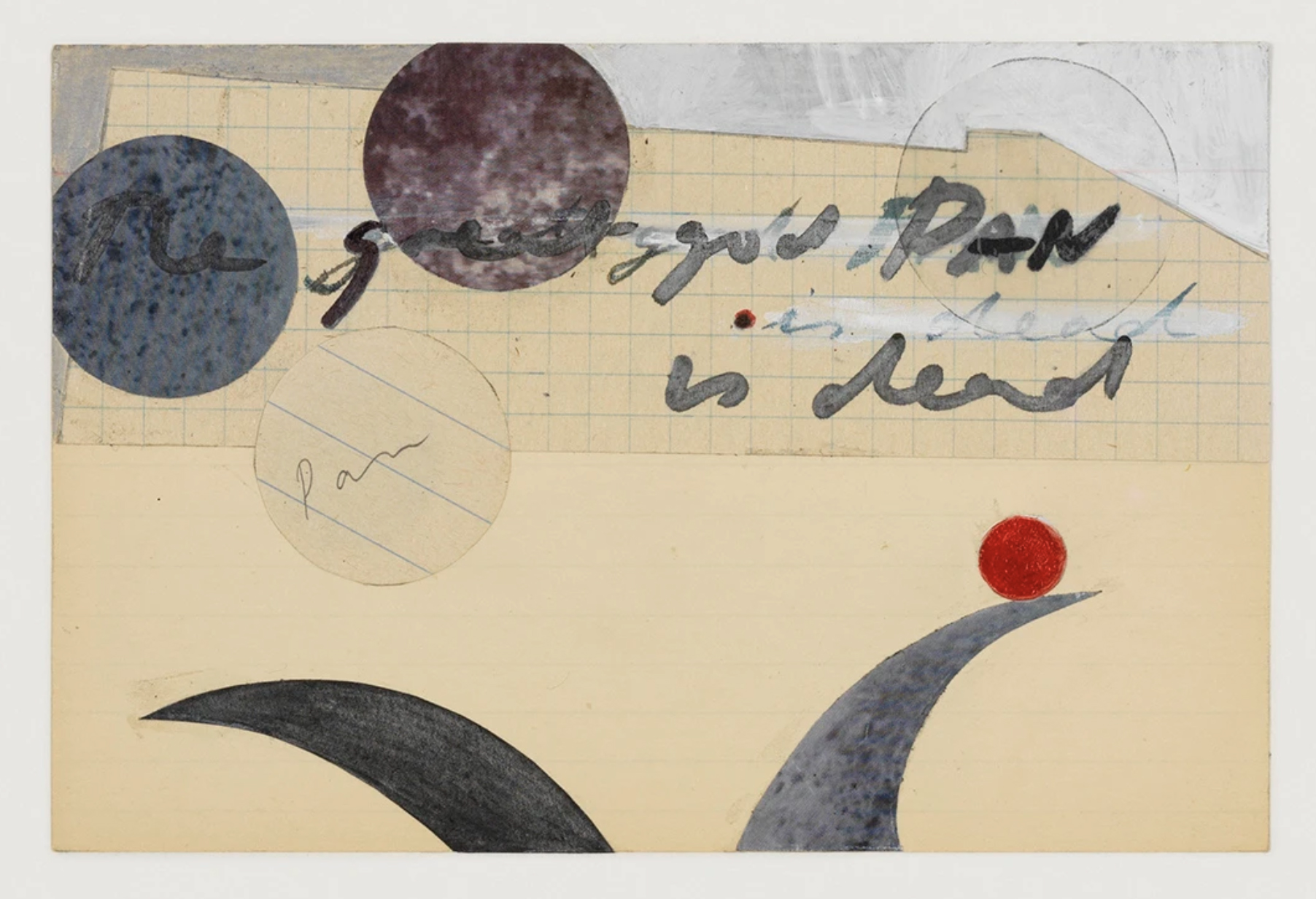
The great god Pan is dead, 2021
Collage on vintage index card
10.2 x 15.2 cm

Tacita Dean
Purgatory (7th Cornice), 2021
Colored pencil on Fuji Velvet paper mounted on paper
290 x 415 cm

17 July 2022

Raoul de Keyser

Untitled, 1997
Watercolor on paper
35.9 x 21 cm)

Raoul de Keyser. Replay Again
5 July – 6 August 2022
David Zwirner Gallery, Hong Kong

Raoul de Keyser

Ochtend, 2000
Oil and charcoal on canvas
190.5 x 252.1 cm

10 July 2022

Christopher Wool

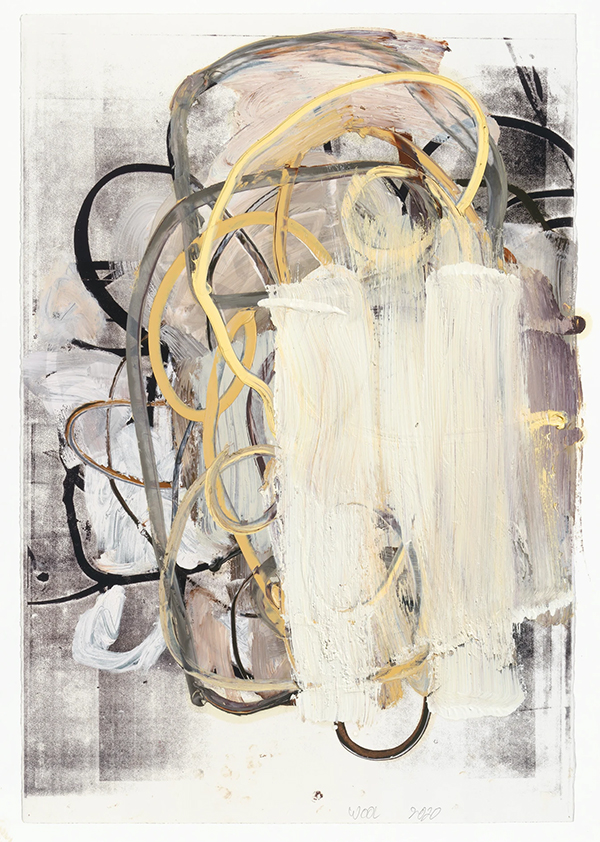
Untitled, 2020
oil and inktjet on paper
55.9 x 43.2 cm

Christopher Wool
2 June – 30 July 2022
Xavier Hufkens, Brussels

Christopher Wool

Untitled, 2020
oil and inktjet on paper
55.9 x 43.2 cm

Christopher Wool
Untitled, 2020
oil and silkscreen on paper
111.8 x 76.2 cm

12 February 2022

Allan Kaprow

Model Behind Door, Provincetown Studio, 1954
Gouache and crayon on paper
76.2 x 55.9 cm

Allan Kaprow. A Painter… of sorts
Selected Works 1953 – 1975
20 January – 12 March 2022
Hauser & Wirth, Zürich

Allan Kaprow
Seated Nude, Slippers on Floor, 1954
charcoal on paper
65.7 x 50.8 cm

31 January 2022

Bernd Ribbeck

Untitled, 2021
acrylic, ballpoint pen and pigment marker on MDF
36.5 x 29.5 x 4 cm

Four Positions in Painting
Christoph Hänsli, İhsan Oturmak, Bernd Ribbeck, Melanie Smith
14 January – 12 March 2022
Galerie Peter Kilchmann

13 October 2021

Matthias Noggler

Double Vision, 2021
Gouache and pencil on paper
73 × 76 cm

Matthias Noggler. Thicket of Things
13 October – 20 November 2021
Galerie Emanuel Layr

Matthias Noggler
Portico, 2020
Gouache, watercolor and pencil on paper
26,5 × 17,3 cm

17 September 2021

Cecily Brown

The Spoils, 2020
Gouache and watercolor on paper
40.6 x 50.8 cm

Cecily Brown. Pronkstilleven
17 September – 30 October 2021
Gladstone Gallery, Brussels

Cecily Brown

Pronkstilleven, 2020-2021
Pastel on paper
80 x 120.7 cm

[from the pressrelease]

Taking inspiration from pronkstilleven, a 17th-century Flemish style of still-life painting, Brown presents a series of drawings, pastels, and watercolors that celebrate a local art historical tradition through her singular and multifaceted approach to artmaking.
Typically comprised of fruits, vegetables, game, flowers, and other household objects, pronkstilleven paintings were meant to signify the wealth and excessive abundance of the aristocratic class during the 1600s. Frans Snyders, an early and influential figure from this artistic movement, excelled at creating these hyperrealist, ornate settings. Similar to Brown’s larger-scale paintings, the pastels in this show take motifs from existing imagery, primarily the still life paintings of Snyders, which she transforms into entirely new works that admiringly riff off of the preceding visual material. Drawing is an integral yet lesser known component of her work, which has recently been the subject of public and museum exhibitions. Unlike the 19th-century practice of creating esquisses, or preparatory drawings and oil sketches for larger paintings, Brown’s drawings on paper are finished works unto themselves, and provide striking insights into her intuitive artmaking process. The artist notes that in order to learn an image, she takes photographs and images of paintings and copies them, however, while employing the visual language she has developed throughout her career.

Cecily Brown

The Buck and Pheasant, 2020
Gouache and watercolor on paper
40.6 x 50.8 cm

17 June 2021

Philipp Kremer

Gathering (E-I) 3/6, 2021
acrylic on paper
30 x 42.5 cm

9 June 2021

Francis Alÿs

Untitled (study for Le Juif Errant Gibraltar), 2008
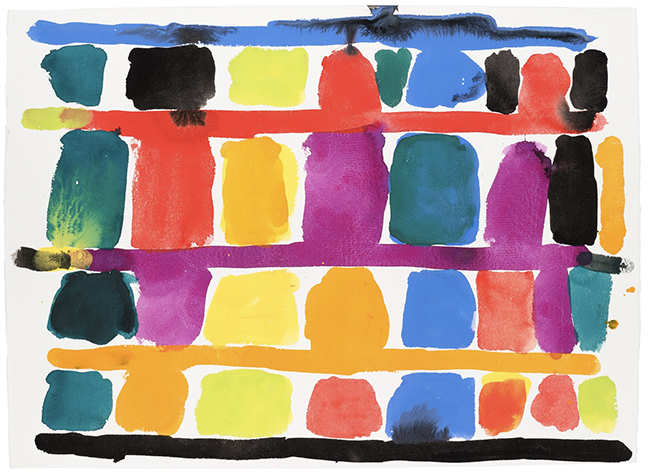
Oil, collage and pencil on canvas
32.5 x 40.5 cm

27 May – 17 July 2021
Gallery David Zwirner, Paris

Francis Alÿs
Untitled (Study for ‘Don’t Cross the Bridge Before You Get to the River’), 2006-2008
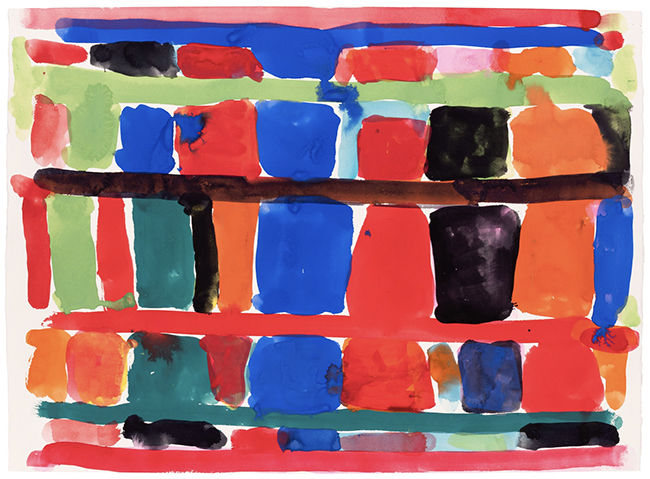
Oil, encaustic, and graphite on canvas on panel
19.4 x 24.4 cm

[from the pressrelease]
Don’t Cross the Bridge Before You Get to the River brings together a group of works made by the artist from 2006 onward that relate to an action that took place simultaneously on opposite shores of the Strait of Gibraltar—in Tangier, Morocco, and Tarifa, Spain—on 12 August 2008. This is the first solo presentation in Paris for the internationally acclaimed artist, who will represent Belgium at the 2022 Venice Biennale.

Alÿs is known for his in-depth projects in a wide range of media, including documentary film, painting, photography, performance, and video. Through his practice, Alÿs consistently directs his distinct poetic and imaginative sensibility toward anthropological and geopolitical concerns centered around observations of, and engagements with, everyday life. The artist himself has described his work as “a sort of discursive argument composed of episodes, metaphors, or parables.”

Since 2004, the artist has shifted his attention to the inherent sociopolitical conflict in border regions, making works in interstitial locales such as the Strait of Gibraltar, Jerusalem, the Turkish-Armenian border, the open water between Havana and Key West, Florida, and the Panama Canal Zone. Don’t Cross the Bridge Before You Get to the River is a prime example of Alÿs’s tenet that the poetic and the political are intimately connected. Here, Alÿs again examines geographical and philosophical notions of borders as well as larger issues concerning freedom of movement. Alÿs prepared for this action, which is documented in a two-channel video, over the course of many years.

All videos included in this exhibition were created in collaboration with Julien Devaux, Ivan Boccara, Rafael Ortega and Felix Blume. On the appointed day, a line of local children, each holding a small boat fashioned from a shoe, assembled on the beach in Tarifa and a counterpart line of children holding shoe-boats gathered on the beach in Tangier. Attempting to bridge not only continents but also cultures, the two lines of giggling children waded into the lapping waves, trying to move toward each other, while the tide relentlessly pulls them back to the shore, in an effort to answer the question posed by Alÿs: “Will the two lines meet in the chimera of the horizon?”

In addition to the video documentation, Alÿs created an important group of paintings, drawings, and sculptures. Made on site as well as in the studio, they allow the artist to experiment with similar ideas and themes in a more solitary and introspective way. The paintings allow the artist to stay connected to the project throughout the different stages of the process, often over the course of several years. Alÿs also uses image as his main communication system in order to express and explain his intentions to his collaborators. Throughout his practice, Alÿs has utilized a combination of abstract and realist motifs in his paintings in order to address the inherent difficulty of representing complex concepts directly.

27 May 2021

Lesley Vance

Untitled, 2021
watercolour on paper
66 x 50.8 cm

Lesley VanceSlipstream
27 May – 26 June 2024
Xavier Hufkens, Brussels

Lesley Vance

Untitled, 2021
watercolour on paper
68 x 50.8 cm

Lesley Vance

Untitled, 2021
watercolour on paper
67 x 50.8 cm

13 May 2021

Susan Te Kahurangi King

Untitled, ca. 1967–70
Crayon, ink, colored pencil and graphite on paper
10.25 x 8.25 inches.

Parallel Phenomena: Works on Paper by Carroll Dunham, Susan Te Kahurangi King, Gladys Nilsson and Peter Saul. [Curated by Damon Brandt]
Andrew Edlin Gallery, New York
May 13 – July 2, 2021

Peter Saul

Untitled, 1962
Crayon on paper
35 x 39 inches

Carroll Dunham

Land, 1998
Graphite on paper
15 x 21.5 inches

Gladys Nilsson

Blue Glass, 1985
Watercolor on paper
21.75 x 41.75 inches

Parallel Phenomena [from the pressrelease] – Parallel Phenomena compares and contrasts the distinct yet related worlds these four artists have constructed and woven into being with graphite, colored pencil and watercolor. Every paper surface becomes the territory for a series of eccentrically fueled and compulsively composed narratives, each distinguished by a level of figurative distortion that bears the unmistakable signature of its author. By exploring the compositional and conceptual connective tissue among the works of Carroll Dunham, Susan Te Kahurangi King, Gladys Nilsson and Peter Saul, one can trace the mysterious phenomena of unorchestrated communal responses to deeply held individual impulses or needs. Through this clarifying process one can simultaneously highlight individual inspiration and celebrate the shared instincts and aesthetic parallels.

Susan Te Kahurangi King
Untitled, circa 1967
Crayon, ink, colored pencil and graphite on paper
10 1/4 x 8 inches

5 May 2021

Willem de Kooning

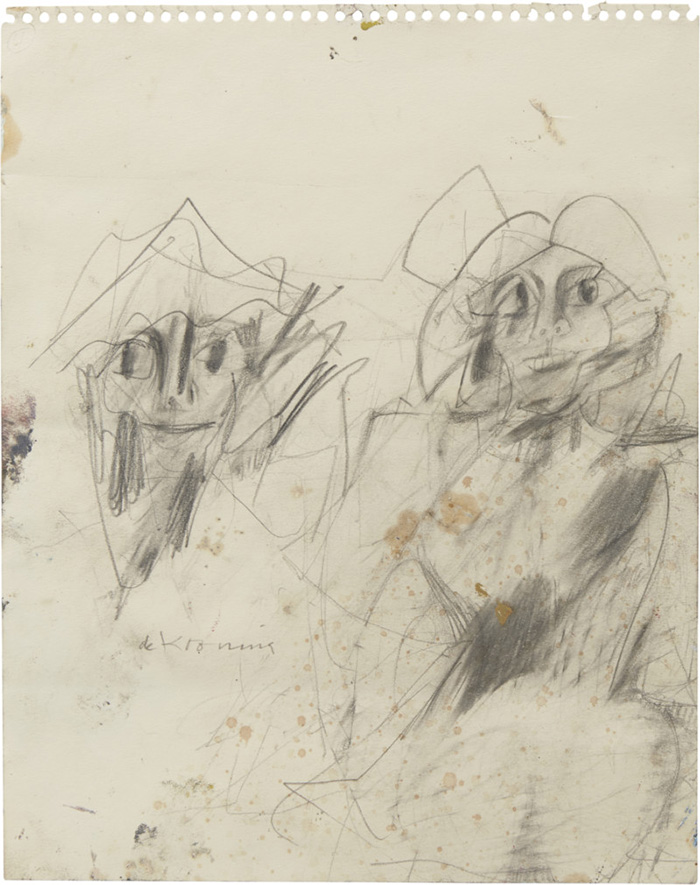
Two Women, c. 1950
Graphite and oil on paper
25 × 20 cm

Willem de Kooning. Drawings
5 May – 26 June 2021
Matthew Marks Gallery, New York

Willem de Kooning

Untitled (Painting Study), c. 1975
Charcoal on paper
22 × 28 cm

Willem de Kooning

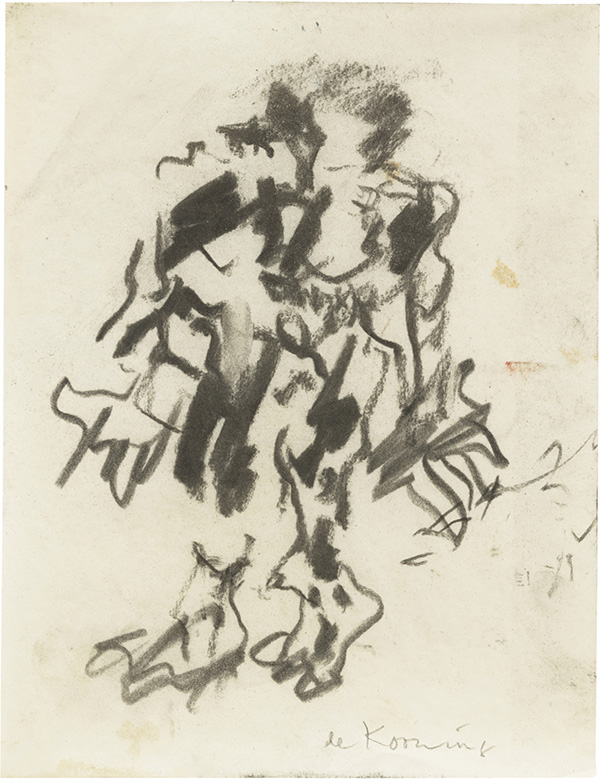
Untitled (Clamdigger), c. 1970
Charcoal on paper
28 × 22 cm

“Even abstract shapes must have a likeness”
[from the pressrelease] – The exhibition Drawings features thirty-two works spanning the artist’s long career. The tension between abstraction and figuration that defined de Kooning’s art is apparent in the exhibition’s earliest works. Included are several of his most celebrated drawings from the 1930s, including a 1937 study for his World’s Fair mural, his 1938 portrait of the art critic Harold Rosenberg, and the Ingresque Reclining Nude (Juliet Browner) (c. 1938), one of his first female nudes. The traditional skills he learned at the art academy in Rotterdam are evident in a sheet of precisely drawn portraits of Elaine de Kooning from the early 1940s.

By the following decade de Kooning had traded deliberateness for velocity. Included in the exhibition are three Woman drawings from c. 1950 made up of swarms of graphite marks in constant motion, smeared or removed almost as quickly as they were laid down. Widely celebrated for his skilled draftsmanship, de Kooning nevertheless strived to avoid what he considered the pitfalls of virtuosity. In the mid-1960s he used experiments like drawing with his eyes closed to break old habits and discover new means of expression. 

Several drawings in the exhibition build on the lessons of those exercises. Drawn with charcoal, which facilitated even faster mark-making, they describe figures with an immediacy that the artist likened to snapshots. The human form still provides the departure point for three turbulent drawings from the late 1970s, the latest in the exhibition. As de Kooning famously said, “Even abstract shapes must have a likeness.”

Willem de Kooning

Woman, c. 1950
Graphite and wax crayon on paperboard, double
33 × 25 cm

21 January 2021

Michaël Borremans

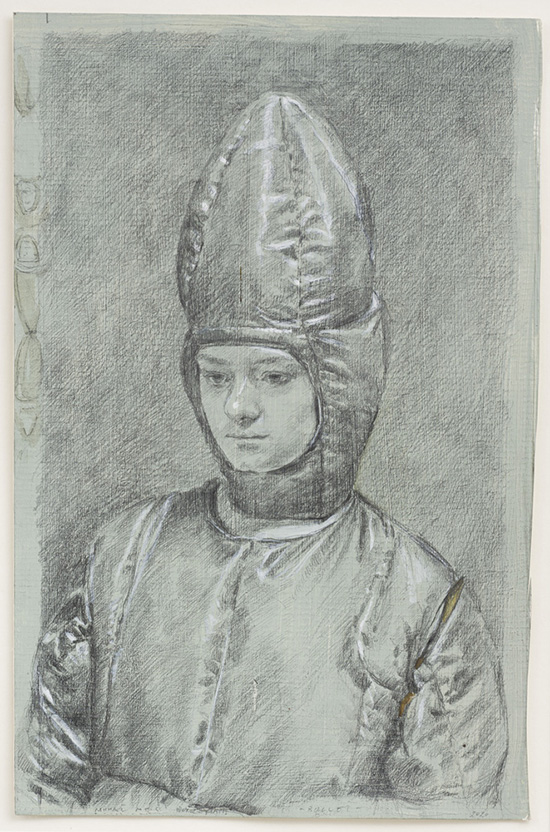
Bullet, 2019
pencil and white ink on blue-grey grounded paper
20,9 x 13,8 cm

Works on Paper. Michaël Borremans – N. DashJan De MaesschalckPhilip MettenPietro RoccasalvaHyun-Sook SongBart StolleMircea SuciuLuc TuymansCristof Yvoré
13 January – 20 February 2021
Zeno X Gallery, Antwerpen

Luc Tuymans

Facial Reconstruction, 2020
charcoal and watercolour on paper
32 x 29 cm

Mircea Suciu

Shame (Study 2), 2020
charcoal on paper
76 x 56,5 cm

Pietro Roccasalva

Study from Just Married Machine, 2020
acrylic on paper
49,8 x 65,5 cm

31 October 2020

Silvia Bächli

Untitled, 2020
Gouache on paper
62 × 44 cm

Silvia Bächli

Untitled, 2020
Gouache on paper
44 × 31 cm

Silvia Bächli

Untitled, 2020
Gouache on paper
62 × 44 cm

7 October 2020

Joe Bradley

Untitled, 2019
Graphite on paper
23 x 30.5 cm

Works on paper.

Works by: Hurvin Anderson, Milton Avery, Georg Baselitz, Joe Bradley, Marcel Broodthaers, James Lee Byars, Enrico David, Peter Doig, Jörg Immendorff, Per Kirkeby, Florian Krewer, Eugène Leroy, Markus Lüpertz, Walter de Maria, Roberto Matta, Henri Michaux, A.R. Penck, Elizabeth Peyton, Francis Picabia, Sigmar Polke, Peter Saul, Raphaela Simon, and Don Van Vliet.
7 October – 22 November 2020
Michael Werner Gallery, New York

Francis Picabia

Untitled, 1933
Colored pencil, ink on paper
27 x 21 cm

Georg Baselitz

Untitled, 1992
Charcoal on paper
86.5 x 61 cm

Roberto Matta

Woman Impaled and Five Other Scenes, 1943
Graphite, crayon on paper
58.5 x 73 cm

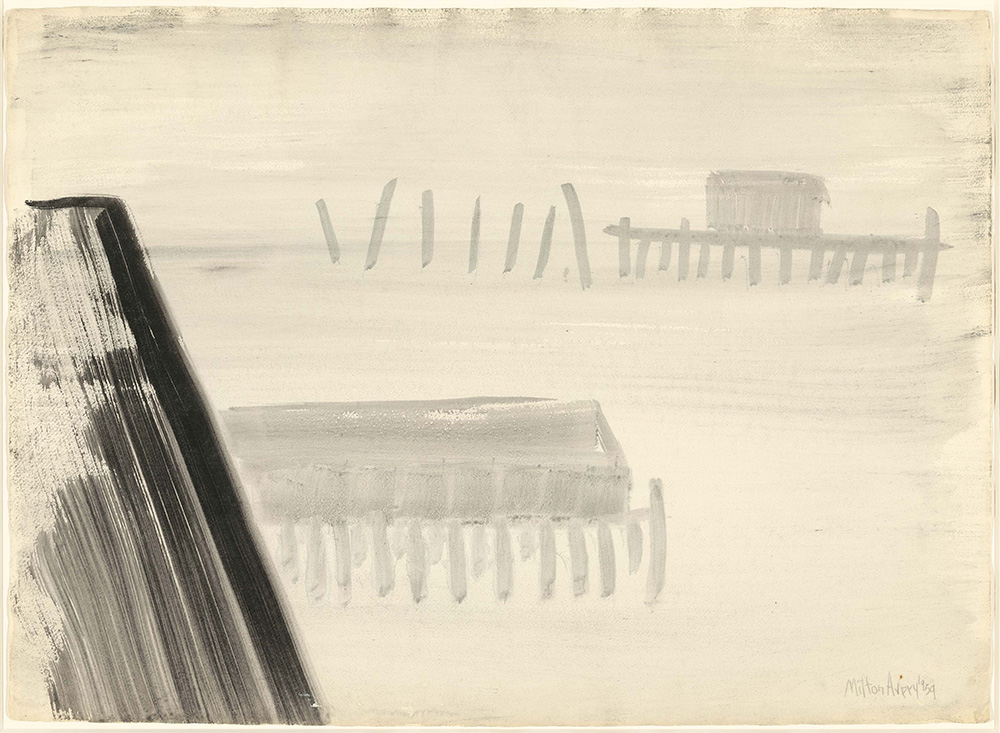
Milton Avery

Misty morning, 1959
Watercolor on paper
55.5 x 76 cm

A.R. Penck

Untitled (Standart), ca. 1967-1968
Watercolor on paper
30 x 21 cm

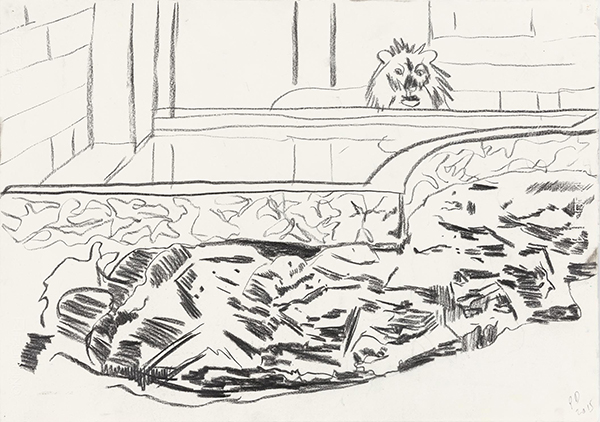
Peter Doig

Untitled, 2015
Charcoal on paper
50 x 70.5 cm

Henri Michaux

Untitled (Mescaline Drawing), 1959
India ink, watercolor on paper
28 x 20 cm

12 September 2020

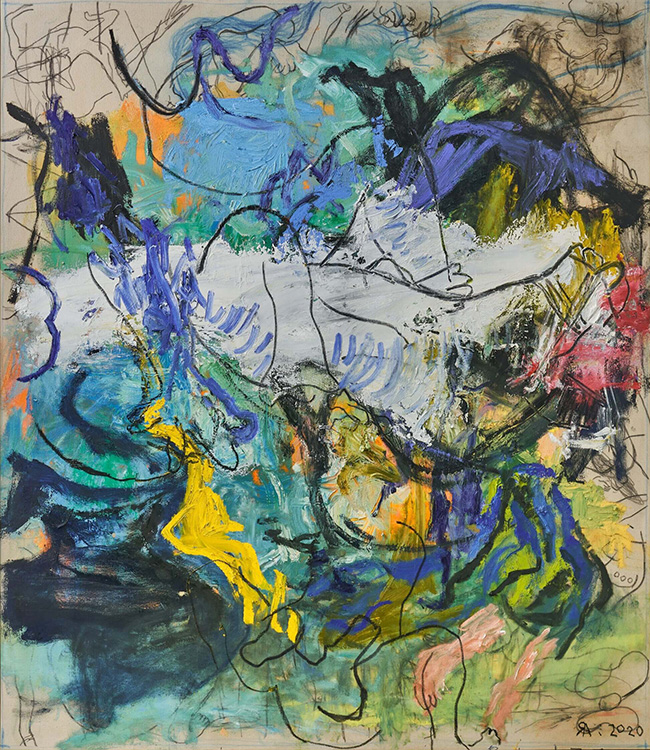
Rita Ackermann

Mama Backwards 7, 2020
Oil, acrylic and china marker on canvas
190.5 x 165.1 cm

Rita Ackermann | Mama ’20
12 September – 22 November 2020
Hauser & Wirth, Zurich

[from the pressrelease]
In Mama ’20 Rita Ackermann presents her latest body of work – a continuation of her Mama series – consisting of automatic drawings and paintings on canvas which reveal her persisting interrogation of line, color and form.

This new suite of paintings on both canvas and paper, feature figures and motifs which rise to the surface only to dissolve and reappear elsewhere again. In Ackermann’s Mama series, repeated imagery is often combined with vivid swathes of color, giving her work a complex visual component that oscillates between abstraction and figuration. Her images are the product of automatic lines and gestures, a subconscious unfolding of form.

Ackermann’s distinctive approach to layering yields a framework for a maelstrom of vibrant pigments and textures that invite and immerse the viewer. In works such as ‘Mama, The Best is Always Yet To Come’ (2020), the weight of the paint’s application combined with the additive and subtractive process of color and figurative line, evoke a nuanced interior realm. Pastel, pigment, china marker, and oil create a depth of surface, which are scraped away to reveal figures of shattered compositions.

For her new series of works on paper, Ackermann applies oil and china marker to create intimate incarnations of her larger canvases. Titling them as ‘studies’, Ackermann focuses on details of her Mama paintings, obscuring various pencil-drawn figures through thick veils of brightly colored oil paint. ‘Mama ‘20’ at Hauser & Wirth Zürich continues Ackermann’s distinctive approach to painting and the coalescence between the personal and collective experience within.

28 June 2020

Rachel Harrison

The Classics, 2019
Colored pencil and wax crayon on pigmented inkjet print Paper
55.9 x 43.2 cm

Rachel Harrison. Drawings
March – July 2020
Greene Naftali, New York

Rachel Harrison

The Classics, 2017
Colored pencil, India ink, and wax crayon on pigmented inkjet print
48.3 x 33 cm

Rachel Harrison

The Classics, 2019
Graphite, colored pencil, and wax crayon on pigmented inkjet print
55.9 x 43.2 cm

28 May 2020

Elizabeth Peyton

Eternal Return #2 (Tutankhamun), 2020
Monotype on Twinrocker handmade paper
76.8 × 56.5 cm

Elizabeth Peyton. Eternal Return
web-project Petit Crieu

Elizabeth Peyton

Yuzuru Free Skate, 2019
Watercolor on paper
41 × 31 cm

Elizabeth Peyton

Greta, 2020
Watercolor pastel, and glitter on paper
76.2 × 26 cm

Elizabeth Peyton

Reflection, 2020
Black glitter and colored pastel on paper
50.8 × 35.6 cm

7 May 2020

Koen Delaere

About Dancing #06, 2020
Mixed media on paper
70 x 50 cm

Koen Delaere. About Dancing
7 May – 7 June 2020
Galerie Gerard Hofland

Koen Delaere

About Dancing #09, 2020
Mixed media on paper
70 x 50 cm

5 March 2020

Kara Walker

Untitled, 2008
ink on paper
71.1 x 55.9 cm

Kara Walker. Drawings
5 March – 4 April 2020
Sikkema Jenkins & Co., New York

Kara Walker

Imposter Syndrome, 2020
charcoal on paper
210.2 x 182.9 cm

Kara Walker

Trolls, 2012
gouache on paper
suite of 28 works on paper
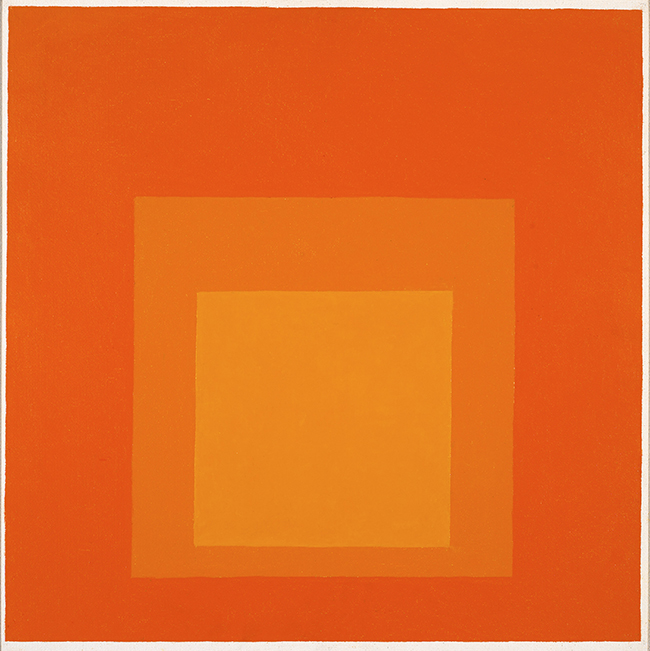
17.8 x 26 cm (each)

[from the pressrelease] – Among the most acclaimed artists working in the United States, Walker utilizes a diverse range of artistic practices to explore issues of race, gender, sexuality, and violence. Although she’s best known for her cut paper silhouette wall installations and monumental sculptural works, drawing remains the core of Walker’s artistic practice. Previously kept within her private archive, these works on paper reveal the scope of Walker’s process, from sketches, studies, and collages, to texts and “dream journals.” Materials such as watercolor, graphite, and ink give the drawings a sense of spontaneity and immediacy. To view these works on paper is to realize the intimacy and intensity of Walker’s vision in creating her subjects, speaking back to history and thus simultaneously reforming it within the present. The figures within Walker’s drawings insist upon themselves as the protagonists of a new narrative, revealed to us through bodies and words and unspeakable acts.

Kara Walker

Untitled, 2002-2007
graphite, colored pencil, pastel, marker and collage on paper
(suite of 2 works)
27.9 x 21.6 cm (each)

28 February 2020

Eugene Von Bruenchenhein

Untitled (Oct 12 – 65), 1965
Ballpoint pen on paper
14.25 x 17.75 inches

Eugene Von Bruenchenhein: Drawings 1964-67
February 28 – July 11, 2020
Andrew Edlin Gallery, New York

29 January 2020

Michaël Borremans

The Feast, 2019
pencil and white ink on paper
26,7 x 21,2 cm

Michaël Borremans, N. Dash, Marlene Dumas, Kees Goudzwaard, Mark Manders, Hyun-Sook Song, Luc Tuymans, Anne-Mie van Kerckhoven. Work on Paper
29 January – 14 March 2020
Zeno X Gallery, Antwerpen

Mark Manders

Untitled, 2009
pencil on paper
21 x 29,7 cm

N. Dash

Commuter (2), 2019 – 2020
acrylic, paper
52,4 x 37,8 cm

Hyun-Sook Song

Untitled, 2014 – 2018
tempera on paper
22,5 x 27,4 cm

Kees Goudzwaard

Working Materials, 2019
acrylic on cardboard
50 x 40 cm

25 January 2020

Karl Haendel

Double Dominant 23 (Kaari Upson), 2019
Pencil on paper
261.62 x 213.36 cm

Karl Haendel. Double Dominant
25 January – 27 March 2020
Gallery Vielmetter, Los Angeles

Karl Haendel

Double Dominant 22 (EJ Hill), 2019
Pencil on paper
261.62 x 215.9 cm

Karl Haendel

Double Dominant 11 (Amanda Ross-Ho), 2018
Pencil on paper
261.62 x 218.44 cm

[from the pressrelease]
Karl Haendel: “The first Double Dominant drawing I made was of Emily’s hand. I was thinking about intermingling my touch with hers–a kind of shared tactility and intimacy. And I knew drawing my wife’s hand (now ex-wife, but that’s a long and different story) at this huge scale had something to do with power. Subsuming myself in a sense. When finished, the drawing was a strange force in the room. It was of course a kind of portrait, but it also occupied the room as if it were its own embodied sculptural presence. But the interplay of touch, intimacy, and power that got me to that first drawing was likely not going to transmit to the audience (and not their business anyway–best left for our therapist). It was more exciting as a portrait of an artist, by another artist, as an uncanny personified appendage.

I make art with my dominant hand, and I can represent another artist through the hand that they make their art with. Using my time and labor to honor another’s labor, be it physical or intellectual, is a kind of service or homage. Unconsciously, this might have been my motive all along, because from the start I was focused on drawing only Emily’s dominant hand only–the hand that makes her work. It was about the two of us as artists.

Soon after this realization, I went to the movies with Miljohn and I brought my camera, fitted with a ring flash, and took some pictures of his dominant hand before the show. The next week I stopped by Walead’s studio to chat and did the same. I only spent about 5 or 10 minutes taking the pictures; I was not fussy. So that’s how the project began. Just taking quick pictures of my friends’ dominant hands to use for drawings. After I had 8 or 9 of these drawings done I realized I was making a group portrait of sorts, all LA artists of roughly the same generation. So then I had to get a little curatorial moving forward, and decided to keep it to artists whose work does it for me–has a kind of grand vision and complexity that I respond to. And with that in mind I expanded the project to include some artists in town who I didn’t know that well but whose work inspired me. It seemed as good a reason as any to get in contact, and I’m honored that nearly everybody I contacted was up for being included in the project.

If you take a quick glance at one of these drawings, it looks like a right and left hand. Look more closely and you realize that’s not the case–it’s the same hand, and it’s somehow interleaved with itself. It looks right, but then, it’s clearly wrong. To get this effect I digitally cut up the photos and spliced them together to make impossible combinations, and then drew the resultant compositions. I like to make work that seems normal at first glance but on closer inspection is really weird (which isn’t a bad description of me).
I don’t fetishize artists hands or their touch (although I’m well aware others do). I fetishize their minds. I primarily keep the company of artists because the way they see the world excites and perplexes me. They make me feel like the fucked-up way I see the world is somehow a little less fucked-up. And then I feel less alone. So, I don’t make my work for curators or collectors, I make it for other artists. (And sometimes I even make work at artists.) But it’s always about that dialog. So, if I couldn’t have artists in my life and I couldn’t look at their work, I would have no reason to be an artist.

The past few years have been hard for many of us. Just last month I got reclassified with a new nationality, yet all this time I thought I was American. (I know, the trains aren’t here yet. And I have it very easy compared to others.) And art, where I have made my spiritual and professional home for the past 20 years, has decided to become a subset of fashion. What has staved off despair has been my relationships with other artists, who inspire, tolerate, entertain and nurture me. This is ultimately what these drawings are about.”

11 January 2020

Diederik Gerlach

Nachtspiel, 2019
acrylic on paper
158 x 130 cm

Tobias Gerber (G), Diederik Gerlach. Kunsthalle
plaster drawings, sculptures, work on paper, paintings, video
11 January – 16 February 2020
Galerie Maurits van de Laar, Den Haag

Tobias Gerber

Ziel, 2019
plaster, cotton
53 x 42 cm

Diederik Gerlach

Ciao, 2019
gouache on paper
29,5 x 40 cm

Tobias Gerber

Waarom zwaai je niet? (Why don’t you wave?), 2019
plaster, cotton
60 x 33 cm

9 January 2020

Rose Wylie

Orange Spider, 2019
Ballpoint pen, pencil, coloured pencil and collage paper
21.3 x 13.5 cm

Rose Wylie. Painting a noun…
9 January – 22 February 2020
David Zwirner, New York

Rose Wylie

Small Black Serena, 2019
Ballpoint pen, pencil, coloured pencil and collage paper
19.2 x 17 cm

Rose Wylie

Mexican Can, 2019
Pen, coloured pencil, marker and collage on paper
32.5 x 31.7 cm

5 December 2019

Kiki Smith

Untitled (Woman with Bird), 2003
ink on paper
50.8 x 76.2 cm

A Passion for Drawing | The Guerlain Collection from the Centre Pompidou Paris
11 October 2019 – 26 January 2020
Albertina Museum, Vienna

With work from: Mark Dion, Marcel Dzama, Marcel van Eeden, Catharina van Eetvelde, Jana Gunstheimer, Erik van Lieshout, Robert Longo, David Nash, Cornelia Parker, Joyce Pensato, Chloe Piene, Pavel Pepperstein, Javier Pérez, Anne-Marie Schneider, Kiki Smith, Nedko Solakov, Renie Spoelstra, Aya Takano, Sandra Vásquez de la Horra, Jorinde Voigt

Sandra Vasquez de la Horra

La Fresca, 2006
graphite and colored pencil on paper in beeswax
50 x 35 cm

[from the pressrelease]
“Ever since the 1990s, Florence and Daniel Guerlain’s interest has been focused on contemporary drawing, and the two have by now accumulated an extensive collection of works by internationally known artists. They are also the initiators and sponsors of the Prix de dessin, which is conferred annually by a jury.
2013 saw this couple donate part of their collection—totaling 1,200 drawings—to the Centre Pompidou in Paris. And now, as the first Central European museum to do so, the Albertina Museum is providing a glimpse into the Guerlains’ activities as collectors by showing a selection of highlights from these holdings.”

Joyce Pensato

Flying Home, 2010
charcoal on paper
50.8 x 40.6

Mark Dion

The Shipwreck, 2001
graphite, watercolor and ink on paper
40.5 x 47.8 cm

Erik van Lieshout

Tim Dog, 1992
charcoal, oilpaint, aquarel on papercollage
70 x 100 cm

23 November 2019

Michael Williams

Untitled Puzzle Drawing, 2019

pen and collage on paper
30.5 x 22.6 cm

Carroll Dunham | Michael Williams. Drawings

curated by Cornelius Tittel
23 November 2019 – 11 January 2020
Gallery Max Hetzler, Berlin

Carroll Dunham

Untitled (12/21/91), 1991

pencil and ink on paper
11.4 x 16.5 cm

Michael Williams

Untitled Puzzle Drawing, 2019

pen and collage on paper
30.5 x 22.6 cm

Carroll Dunham

Untitled (5/25/17), 2017

watercolour crayon and pencil on paper

38.1 x 28.5 cm

[from the pressrelease]
30 years apart and both hailed as leading painters of their generations, Carroll Dunham and Michael Williams have been visiting each other’s studios and collecting each other’s drawings for years. Born out of their friendship and an ongoing dialogue in drawing — a medium at the core of both artists’ practices — Carroll Dunham | Michael Williams: Drawings is the first exhibition to present their work together. Curated by Cornelius Tittel, in close collaboration with the artists, the show brings together more than 50 drawings from the late eighties until today. Dunham has chosen examples from both an early phase he now calls “abstraction with a hard-on”, and more recent figurative drawings of “Bathers” and “Wrestlers”, while Williams has juxtaposed these with his technically complex “Puzzle” drawings, as well as a large group of absurdly comical, figurative drawings he often turns into large format inkjet paintings. By highlighting their shared inspirations — from Psychedelia to Underground comics in the style of Robert Crumb — and showing both artists’ development and stylistic diversity, the exhibition reveals, for the first time, the unique laboratory of ideas behind the subjects and techniques of two of America’s most challenging contemporary painters.

Michael Williams

Traditional Cornish Cottages, 2017

pen, coloured pencil and collage on paper

24.5 x 19.5 cm

20 November 2019

Per Kirkeby

Untitled, ca. 1989-1992
Charcoal, pastel, gouache on paper
100.5 x 65.5 cm

Per Kirkeby. Works on Paper, Works in Brick
20 November 2019 – 25 January 2020
Michael Werner Gallery, New York

Per Kirkeby

Untitled, ca. 1986
Pencil, charcoal, pastel, watercolor on paper
65 x 99.5 cm

Per Kirkeby

Untitled, ca. 1982
Pencil, pastel, ink, gouache on paper
64 x 45 cm

Per Kirkeby

Untitled, ca. 1985-1988
Pastel, ink, watercolor on paper
59 x 42 cm

7 November 2019

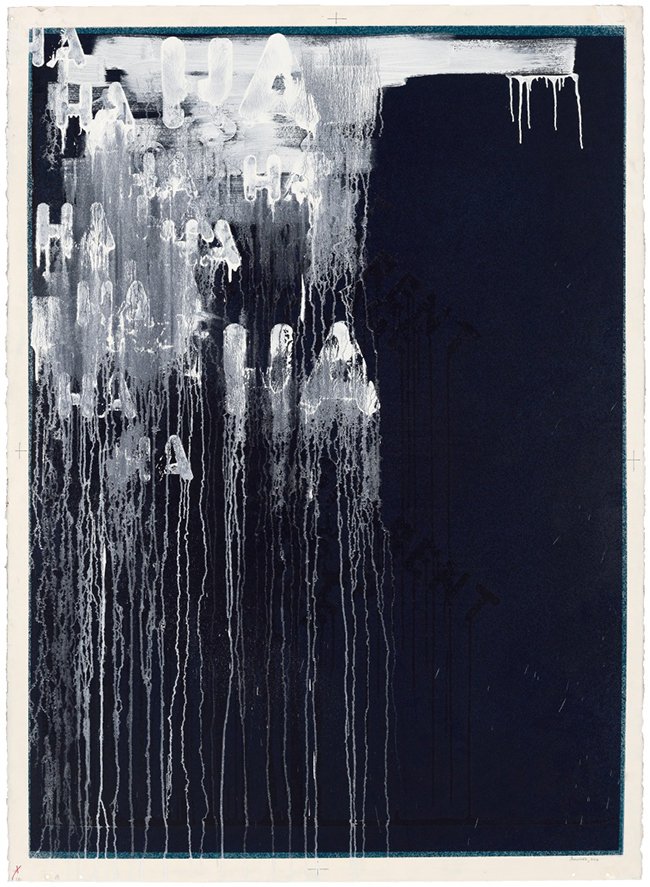
Mel Bochner

Blah, Blah, Blah / Need I Say More?, 2019
oil on velvet, in three parts
each: 76.2 x 228.6 cm | overall: 228.6 x 228.6 cm

Mel Bochner. Exasperations
5 November – 21 December 2019
Peter Freeman, Inc., New York

Mel Bochner

HA HA HA, 2017-2019
oil on water based ink and UV screen print ink on paper
182.9 x 131.8 cm

Mel Bochner

Blah, Blah, Blah, 2017-2019
oil on water based ink and UV screen print ink on paper
182.6 x 131.4 cm

6 November 2019

Bernd Ribbeck

Untitled, 2018
Acrylic, pigmented marker and ballpoint pen on MDF
40 × 30 cm

Bern Ribbeck

Untitled, 2016
Acrylics, Ballpointpen, Pigmented Marker On MDF
32 × 28 cm

3 November 2019

Julie Mehretu

Sun Ship (J.C.), 2018
ink and acrylic on canvas
274.3 x 304.8 cm

Julie Mehretu
3 November 2019 – 17 May 2020
Los Angeles County Museum of Art

Julie Mehretu

Hineni (E. 3:4), 2018
ink and acrylic on canvas
96 × 120 in.

[from the pressrelease]
Co-organized by the Los Angeles County Museum of Art and The Whitney Museum of American Art, Julie Mehretu is a mid-career survey that will unite nearly 40 works on paper with 35 paintings dating from 1996 to the present by Julie Mehretu (b. 1970, Addis Ababa, Ethiopia). The first-ever comprehensive retrospective of Mehretu’s career, it covers over two decades of her examination of history, colonialism, capitalism, geopolitics, war, global uprising, diaspora, and displacement through the artistic strategies of abstraction, architecture, landscape, movement, and, most recently, figuration. Mehretu’s play with scale, as evident in her intimate drawings and large canvases and complex techniques in printmaking, will be explored in depth.

Julie Mehretu

Conjured Parts (eye), Ferguson, 2016
Ink and acrylic on canvas
213.4 x 243.8 cm

2 November 2019

Marcel Dzama: Drawing with Raymond Pettibon

Nice Extended Play from Art21. Marcel Dzama on Raymond Pettibon: ‘I really feel that he opened the door for the acceptance of drawing as a main artform, not just the sketch before the painting, or before the sculpture. He really put in his feet in the door, and then i got in as well.’

1 November 2019

Tatiana Trouvé

August, 2019
(from the series ‘The Great Atlas of Disorientation’, 2018-)
ink, bleach and pencil on paper mounted on canvas
153 x 240 cm

Tatiana Trouvé. On the Eve of Never Leaving
November 1, 2019 – January 11, 2020
Gagosian Beverly Hills

Tatiana Trouvé

Untitled, 2019
(from the series Les Dessouvenus, 2013-)
pencil and bleach on paper mount on canvas
125 x 200 cm

28 October 2019

Lenneke van der Goot

Flow #2, 2019
mixed media on paper
25 x 25 cm

Lenneke van der Goot

Up, 2019
mixed media on paper
40 x 40 cm

Lenneke van der Goot

Construction Place, 2019
mixed media on paper
80 x 80 cm

19 October 2019

Stephan van den Burg

untitled (borrowed settings, no/1), 2019
colored pencil on paper
29.7 x 21 cm

Drawing Festival

with works by: Stephan van den Burg, Niels Janssen, Hans van der Ham, Robin Kolleman, Hans Lemmen, Romy Muijrers, Paul Nassenstein, Zaida Oenema, Henri Plaat, Marisa Rappard, Tanja Smit, Sander Wiersma and Sigrid van Woudenberg 12 oktober – 9 november 2019 Gallery Helder, Den Haag

Marisa Rappard

We will meet, 2019
acrylics and pencil on paper
49 x 63 cm

Sigrid van Woudenberg

Gloss, 2019
Siberian chalk on paper
29,7 x 42 cm

Zaida Oenema

Burning (Dots) #1, 2019
soldering iron burns on paper
95 x 66 cm

Henri Plaat

Untitled, 2005
gouache, mixed media
18 x 24 cm

18 October 2019

Hans Lemmen

Untitled, 2015
ink on casein prepared acid-free paper
24 x 31 cm

Drawing Festival | Gallery Helder
with works by: Stephan van den Burg, Niels Janssen, Hans van der Ham, Robin Kolleman, Hans Lemmen, Romy Muijrers, Paul Nassenstein, Zaida Oenema, Henri Plaat, Marisa Rappard, Tanja Smit, Sander Wiersma and Sigrid van Woudenberg
12 oktober – 9 november 2019
Gallery Helder, Den Haag

Tanja Smit

Speciale, 2019
Ink on magazine page
40 x 28 cm

Romy Muijrers

Un Amour de… /Fade Out, 2019
graphite, colored pencil and nero pencil on paper
35 x 50 cm

Hans van der Ham

Untitled, 2019
gouache on paper
25.6 x 36 cm

Robin Kolleman

Untitled, nr.33, 2019
Paper sculpture
220 x 45 x 20 cm

16 October 2019

Raymond Pettibon

No Title (Raymes Ave though…), 2019
Ink, acrylic, and graphite on paper
149.9 x 132.1 cm

Raymond Pettibon. Frenchette
16 october – 23 november 2019
David Zwirner, Paris

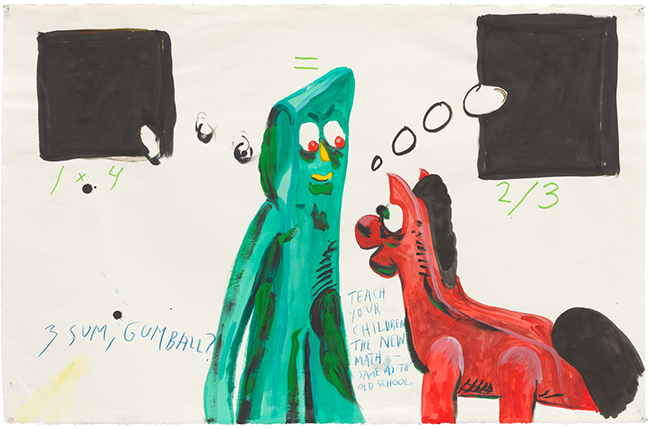
Raymond Pettibon

No Title (3 sum, gumball? …), 2019
Ink, acrylic, and colored pencil on paper
66.4 x 101.6 cm

[from the pressrelease]
Pettibon’s influential oeuvre engages a wide spectrum of American iconography variously pulled from literature, art history, philosophy, religion, politics, sports, and alternative youth culture, among other sources. Intermixing image and text, his drawings engage the visual rhetorics of pop and commercial culture while incorporating language from mass media as well as classic texts by writers such as William Blake, Marcel Proust, John Ruskin, and Walt Whitman. Through his exploration of the visual and critical potential of drawing, Pettibon’s practice harkens back to the traditions of satire and social critique in the work of eighteenth- and nineteenth-century artists and caricaturists such as William Hogarth, Gustave Doré, and Honoré Daumier, while reinforcing the importance of the medium within contemporary art and culture today.

The works on view feature both entirely new subjects for the artist as well as characters and motifs that Pettibon has returned to often. Recurring figures and themes include Gumby, baseball, US presidents, animals, totalitarian dictators, and waves, among others. In the works depicting Gumby, Pettibon recodes the wide-eyed innocence of the classic children’s television character as strung-out paranoia. One work, No Title (John Ford directed …), shows Gumby wearing a cowboy hat and riding his sidekick, the orange horse Pokey. To the left of the figures, Pettibon has written ‘John Ford directed: Irish riding the Protestands’, comically merging Gumby with John Wayne, the star of many of Ford’s famous westerns, while injecting the contentious religious opposition between Irish Catholics and Protestants through the symbolism of the colours of green and orange.

Raymond Pettibon

No Title (Central to my…), 2019
Ink and graphite on paper
59.7 x 70.5 cm

14 October 2019

Spencer Sweeney

Self-Portrait Drinking with Snail, 2019
Distemper, oil pastel, and spray paint on paper
57.2 × 77.5 cm

Spencer Sweeney. Smalls
14 October – 20 December 2019
Gagosian Gallery, Paris

Spencer Sweeney

Aikido and Harmolodics/Studies for Self-Portrait Nudes, 2018
pencil and gouache on paper
29.5 × 41.6 cm

12 October 2019

Ide André

Ready, 2019
Acrylics on canvas
100 x 70 cm

Ide André. RATTLE, RATTLE!
12 October – 16 November 2019
Galerie Gerhard Hofland, Amsterdam

Ide André

Repetition, 2018
Acrylics on canvas
180 x 135 cm

Ide André

Rattle!, 2018
Acrylics on canvas
180 x 135 cm

18 September 2019

Marijn van Kreij

Untitled (Picasso, The Painter, 1963), 2019
gouache and pencil on paper
29.7 x 21 cm

Marijn van Kreij. The Painter
7 September – 12 October 2019
Gallery Andriesse Eyck, Amsterdam

14 August 2019

Francis Alÿs

Untitled (Study for The Prophet)2001 oil, pencil, masking tape and vellum collage 42.2 x 30.5 cm

Francis Alÿs 
The prophet (study), 2001–2003
collage, oil and pencil on mylar
40 x 41.5 cm

Francis Alÿs
Study for Painting of Punishment, 2001-2002
oil, graphite and adhesive tape on vellum collage
59.7 by 43.2 cm

30 July 2019

André Butzer

untitled, 2007
Pencil on paper
32 × 24 cm

André Butzer
29 June – 7 September 2019
Gallery Kirchgasse, Steckborn

André Butzer

untitled, 2019
Acrylic and pencil on paper
37.1 × 28.7 cm

[from the pressrelease]
With his self-proclaimed “Science Fiction Expressionism,” André Butzer (1973) became one of the most renowned and influential painters of his generation in the mid-1990s. Between pop culture and world history, Butzer created a candidly expressive and comic-like art cosmology. His fictions forego a clear narration and a hermetic approach or stylistic features. Butzer’s works generate their own content and stories; painted energy positioned between geometry and arbitrariness, humor and severity, danger and charm.

With the N Paintings, a series begun in 2010, Butzer’s characteristic motifs and colors reappear. The works reveal their origins: line and plane, vertical and horizontal. The shift towards this radical abstraction was not a simple break with earlier paintings. Considered together, all images explore the reciprocal condition of figuration and abstraction, of fiction and the reality of painting.

André Butzer

Untitled, 2008
watercolor on paper
29 x 41 cm

André Butzer

untitled, 2019
Acrylic and pencil on paper
28.7 × 37.1 cm

1 June 2019

Christine Ödlund

Aspects of Linnaeus’ system of shape and color III, 2018
Plant pigment and acrylic medium on paper
72.5 x 53.4 cm

Modern Nature
Alberto Baraya, Mark Dion, Simryn Gill, Derek Jarman, Hilma af Klint, Margaret Mee, Christine Ödlund, David Thorpe, Viktor Timofeev
2 May – 7 July 2019
Drawing Room, London

25 April 2019

David Shrigley

Untitled (Public Opinion), 2019
acrylic and oil bar on paper
83 x 58.4 cm

David Shrigley: Fluff War
25 April – 15 June 2019
Anton Kern Gallery, New York

David Shrigley

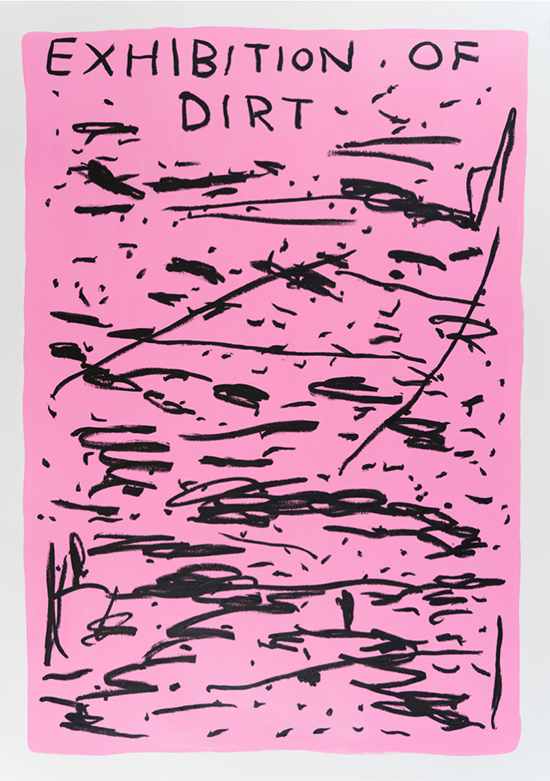
Untitled (Exhibition of dirt), 2019
acrylic and oil bar on paper
105 x 74 cm

[from the pressrelease]
In his seventh solo exhibition at Anton Kern Gallery, entitled FLUFF WAR, British artist David Shrigley presents a large-scale kinetic sculpture, two neon sculptures, and 100 new drawings.

As visitors approach the gallery, they are greeted by a two-part magenta neon sign bearing contradictory instructions: one reads “WEAR SHOES” and the other “DO NOT WEAR SHOES”. The storefront window signage will seem perfectly at home to a passerby, as the gallery is located in New York’s famed Fifth Avenue shopping district. Here you are initiated into the world of David Shrigley.

Inside, further into the space, is another neon sign announcing that you have entered the arena of “FLUFF WAR”, the exhibition’s eponymous work. The structure of FLUFF WAR is a ten foot by ten foot square enclosure akin to a miniature soccer stadium or a giant air hockey table. Trapped inside are clusters of black wooly fluff being blown about a smooth white floor by gusts of wind coming in through surrounding vents.

War is a cheeky misnomer for what the fluff is engaged in. Incapable of exerting its own will, the fluff is at the whim of hidden fans, randomly sequenced by a computer program, blowing at varying intervals and strengths. It remains unclear which fluff is winning or losing, what the objective is, or if there is one at all. Regardless, one can easily become an enraptured observer of this nonsensical activity.

David’s new drawings continue in his tradition of combining image and text to deliver comically deadpan messages that resonate on philosophical, ethical, and political levels. The large color works rendered in acrylic and oil bar read immediately like signs or advertisements, while the small black ink drawings are graphically complex, and invite the viewer to inspect closely. The benign declarations and mischievous wishes in Shrigley’s works express the pathos, tedium, irony, and oftentimes ridiculousness of everyday life.

David Shrigley

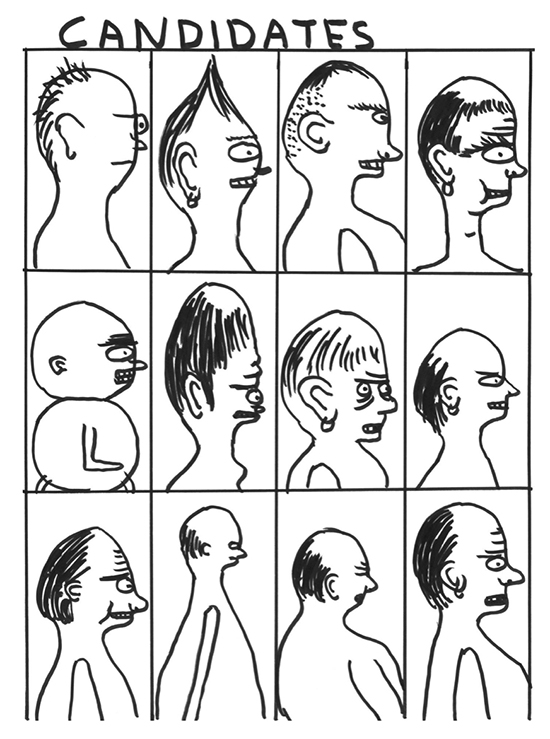
Untitled (Candidates), 2019
ink on paper
29.7 x 21 cm

David Shrigley

Untitled (Kindness), 2019
Oil bar and gesso on paper
105 x 74 cm

12 April 2019

Steven Baldi

Sponsored content (left and right), 2018
Acrylic, flashe and transfer paper on paper
40.3 × 30.5 cm

Steven Baldi

Canon logo dismantled, 2017
Acrylic and colored pencil on paper
48.3 × 61 cm

Steven Baldi

Copying adapter, 2017
Acrylic, flashe and transfer paper on paper
35.6 × 27.9 cm

13 March 2019

Hans op de Beeck

Snow Landscape (road), 2019
Black and white watercolor on Arches paper in wooden frame
111 x 200 x 4.4 cm

Hans op de Beeck
23 February – 6 April 2019
Marianne Boesky Gallery, New York

Hans op de Beeck

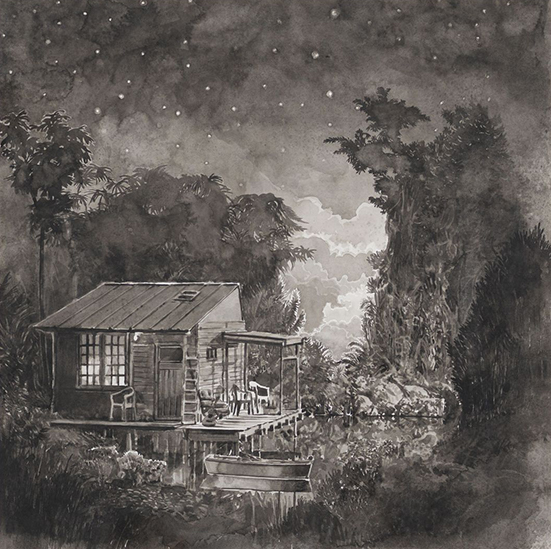
The Lake Dwelling, 2019
Black and white watercolor on Arches paper in wooden frame
100 x 100 x 4.4 cm

Hans op de Beeck

The Bridge, 2019
Black and white watercolor on Arches paper in wooden frame
111 x 200 x 4.4 cm

11 March 2019

Katharina Grosse

Untitled, 2006
Acrylic on paper
194 cm x 134 cm x 5 cm

Works on Paper

Galleri Bo Bjerggaard | 26 January 2019 – 6 April 2019
With works by: Anna Barriball, Anna Bjerger, Arturo Herrera, Brigitte Waldach, Celia Paul, Chantal Joffe, Christian Holstad, Daniel Richter, Georg Baselitz, Hernan Bas, Ilse D’Hollander, Ivan Andersen, Jannis Kounellis, Jockum Nordstrom, John Korner, Jonathan Meese, Jules de Balincourt, Katharina Grosse, Maija Luutonen, Mamma Andersson, Marcel Dzama, Marcel van Eeden, Per Inge Bjorlo, Per Kirkeby, Peter Linde Busk, Ragnar Kjartansson, and Tal R.

Arturo Herrera

Untitled, 2017
Mixed media collage on lithographic plate
76 cm x 60 cm x 4 cm

Ilse D’Hollander

Untitled, 1996
Gouache on paper
42 cm x 50 cm x 4 cm

Anna Bjerger

Untitled, 2018
Watercolour on Hahnemühle paper
76 cm x 106 cm x 4 cm

Peter Linde Busk

Out of the Blue and into the Black, 2016
Acrylic and crayon on paper
121 cm x 91 cm

10 March 2019

Tal R

S, 2013
Crayon on artist made paper
71 cm x 60 cm x 2 cm

Works on Paper

Galleri Bo Bjerggaard | 26 January 2019 – 6 April 2019
With works by: Anna Barriball, Anna Bjerger, Arturo Herrera, Brigitte Waldach, Celia Paul, Chantal Joffe, Christian Holstad, Daniel Richter, Georg Baselitz, Hernan Bas, Ilse D’Hollander, Ivan Andersen, Jannis Kounellis, Jockum Nordstrom, John Korner, Jonathan Meese, Jules de Balincourt, Katharina Grosse, Maija Luutonen, Mamma Andersson, Marcel Dzama, Marcel van Eeden, Per Inge Bjorlo, Per Kirkeby, Peter Linde Busk, Ragnar Kjartansson, and Tal R.

Marcel van Eeden

Untitled, 2019
Compressed charcoal and watercolour on paper
36 cm x 46 cm x 3 cm

Jules de Balincourt

Fires and Flowers #5, 2018
Ink on paper
50 cm x 39 cm

Jannis Kounellis

Untitled, 2015
Oilstick on paper
81 cm x 112 cm

Jonathan Meese

ohne Titel, 2019
Acrylic, pencil, permanent marker and pen on paper
122 cm x 102 cm

Mamma Andersson

Buske / Bush, 2018
Charcoal on paper
65 cm x 50 cm

2 March 2019

Silvia Bächli

Untitled, 2018
Gouache on paper
62 x 44 cm

Silvia Bächli
9 February – 30 March 2019
Maisterravalbuena, Madrid

Silvia Bächli

Untitled, 2018
Gouache on paper
60 x 80 cm

Silvia Bächli

Untitled, 2018
Gouache on paper
62 x 44 cm

Silvia Bächli

Untitled, 2018
Gouache on paper
62 x 44 cm

24 February 2019

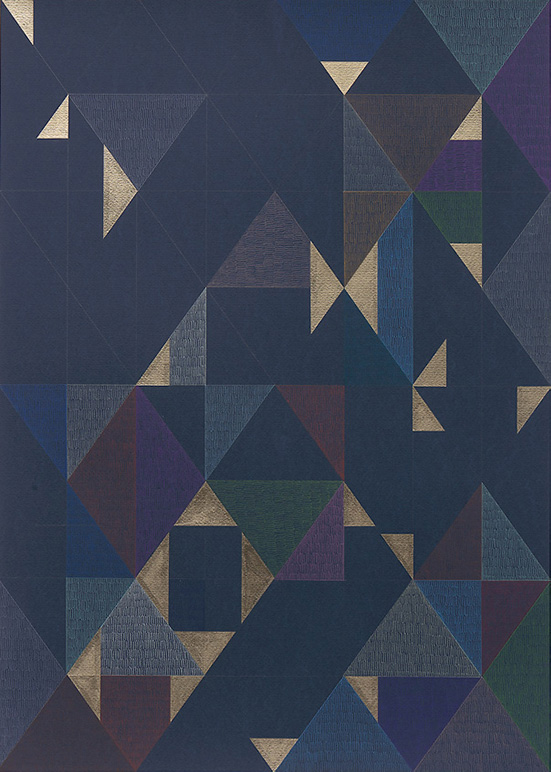
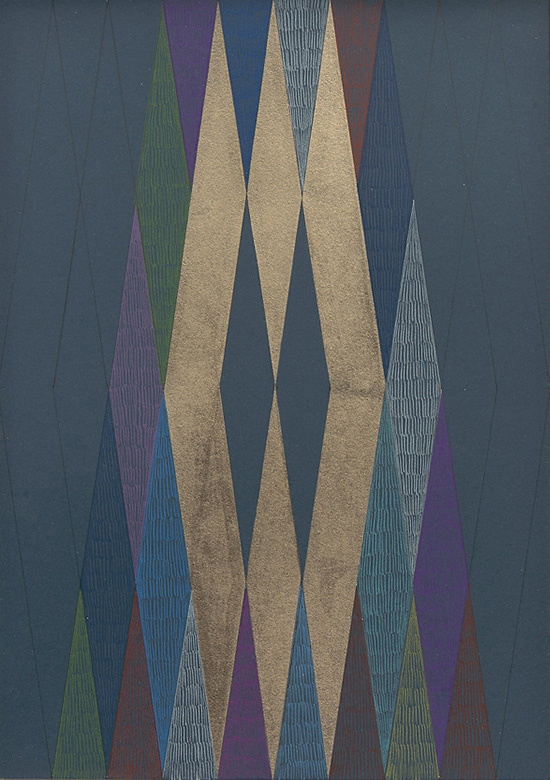
Claudia Wieser

Untitled, 2018
Gold leaf and colored pencil on colored paper
70 x 50 cm

Claudia Wieser. Forum
10 January – 2 March 2019
Jessica Silverman Gallery, San Fransisco

Claudia Wieser

Untitled, 2018
Gold leaf and colored pencil on colored paper
29.7 x 21 cm

Claudia Wieser

Untitled, 2018
Gold leaf and colored pencil on colored paper
29.7 x 21 cm

13 February 2019

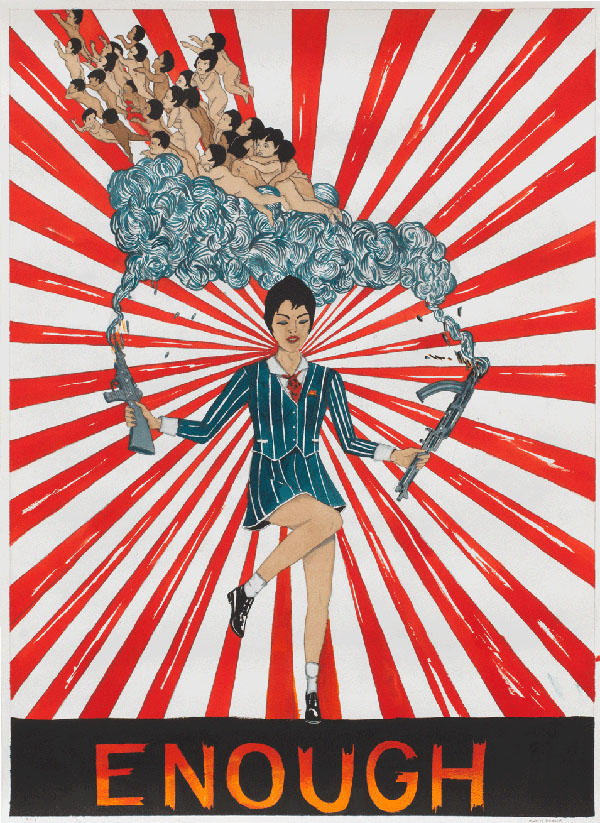
Marcel Dzama

Enough, 2018
Gouache, ink, and graphite on paper
75.9 x 55.2 cm

Marcel Dzama. Crossing the Line
22 January – 9 March 2019
David Zwirner, Hong Kong

Marcel Dzama

Crossing the line, 2018
Ink, gouache, acrylic, oil pastel, and graphite on paper
97.2 x 126.4 cm

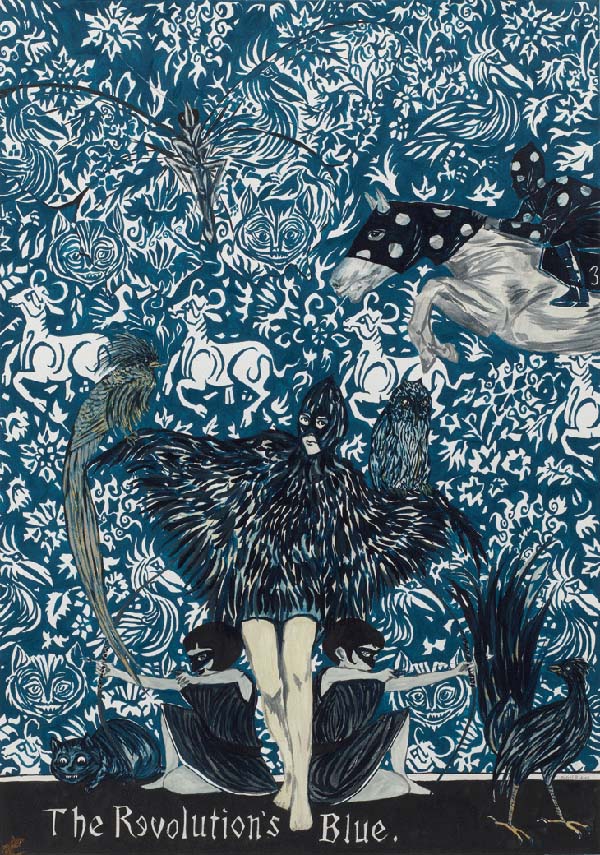
Marcel Dzama

The revolution’s blue (or The blue revolution), 2018
Gouache, ink, and graphite on paper
104.8 x 74.9 cm

22 August 2018

Charline von Heyl

Lady Moth, 2017
Acrylic and charcoal on linen
86 x 82 inches

Charline von Heyl – New Work
6 September – 20 October 2018
Petzel Gallery, New York

Charline von Heyl

La Vache Qui Rit (The Laughing Cow), 2018
Acrylic and charcoal on linen
80 x 70 inches

[from the pressrelease]
Over the past three decades Charline von Heyl has made paintings that upend conventional assumptions about composition, beauty, narrative, design, and artistic subjectivity. The new paintings in this, von Heyl’s ninth solo show at Petzel, are composed inventions that function as self-perpetuating visual events; enigmatic presences silently seducing and disturbing the viewer.

Von Heyl’s new paintings shake loose work against language and capture time through dense compositions replete with moody rhythms of color and shape. A number of her effects can unexpectedly dazzle a viewer’s perceptions. The repositioning of one’s body opposite a painting reveals in cross-raked light interference colors that shift in value from pink to green and from yellow to violet.

In some cases, paint may bleed through the linen’s verso; in others, shapes are imprisoned under a layer of color as ghost images. Some works, devoid of color, are able to re-energize through stark black graphics. A painting can often begin with a meandering line that loops and snaps into a biomorphic checkerboard. Various images, such as moths, rabbits, heads, and faces have been deceivingly painted as if placed on the surface as a second thought. These sequences unfold slowly while the painting is viewed—overlapping, dissolving, or blending to produce an image that stands for itself as fact.

2 July 2018

Marijn van Kreij

Untitled (Picasso, Le Carnet de La Californie, 1955), 2018
Gouache and pencil on paper
29.7 × 42 cm

Marijn van Kreij – Nude in the Studio
30 June – 9 September 2018
Marres, Maastricht

Marijn van Kreij

Untitled (Picasso, Le Carnet de La Californie, 1955), 2018
gouache and pencil on paper,
29.7 × 42 cm

Marijn van Kreij

Untitled (Picasso, Le Carnet de La Californie, 1955), 2018
gouache and pencil on paper,
29.7 × 42 cm

15 June 2018

Luiz Zerbini

Bromelia Imperial, 2016
Oil on paper
113.6 x 85.1 cm

Luiz Zerbini

Samambaia, 2017
Oil on paper
113.6 x 85.1cm

Luiz Zerbini

Cipozinho, 2016
Oil on paper
107 x 78 cm

13 June 2018

David Haines

Your Fluffer, 2017
Pencil on paper
205 x 184 cm

A Slice through the World: Contemporary Artists’ Drawings
with: ruby onyinyechi amanze, Nidhal Chamekh, Milano Chow, Kate Davis, Karl Haendel, David Haines, Ian Kiaer, Ciprian Muresan, David Musgrave, Wura-Natasha Ogunji, Kathy Prendergast, Massinissa Selmani, Lucy Skaer and Barbara Walker
13 June – 5 August 2018
Drawing Room, London

Ciprian Muresan

Andrei Rublev by Tarkovsky, sec. 21-30, 2017
Pencil on paper
97 x 156 cm

26 May 2018

Marlene Dumas

Adonis frowns, 2015-2016
Ink wash and metallic acrylic on paper
24.1 x 17.1 cm

Marlene Dumas. Myths & Mortals
28 april – 30 June 2018
David Zwirner, New York

Marlene Dumas

The goddess Venus, 2015-2016
Ink wash and metallic acrylic on paper
31.8 x 27.6 cm

[from the pressrelease]
Dumas is widely regarded as one of the most influential painters working today. Over the past four decades, she has continuously probed the complexities of identity and representation in her work. Her paintings and drawings are often culled from a vast archive of images collected by the artist, including art-historical materials, mass media sources, and personal snapshots of friends and family. Gestural, fluid, and frequently spectral, Dumas’s works reframe and recontextualize her subjects, exploring the ambiguous and shifting boundaries between public and private selves.

Displayed both framed and in a vitrine, Dumas’s thirty-three works on paper narrate Shakespeare’s story of Venus and Adonis, which drew on Ovid’s mythological poem The Metamorphoses. Adonis, renowned for his otherworldly beauty, spurns Venus’s love for him, choosing instead the thrill of the hunt. Recklessly ignoring Venus’s warnings, Adonis is ultimately slain by a wild boar, with his spilled blood lending its color to the bloom of the anemone (as depicted in The flower, 2015–2016). In these works—alternately delicate and aggressive, tranquil and frenzied—the artist captures the polarity of a star-crossed union of opposites, arguing, like Venus, for the embrace of desire in the face of war.

Encompassing a diverse array of scales, styles, and subjects, Dumas’s new works respond more than ever to the uncertainty and sensuality of the painting process itself. Allowing the structure of the canvases and the materiality of the paint greater freedom to inform the development of her compositions, the artist has likened the creation of these works to the act of falling in love: an unpredictable and open-ended process that is as filled with awkwardness and anxiety as it is with bliss and discovery.

Marlene Dumas

The owl, 2015-2016
Ink wash and metallic acrylic on paper
17.5 x 14.6 cm

Marlene Dumas

Venus in bliss, 2015-2016
Ink wash and metallic acrylic on paper
26 x 22.9 cm

21 May 2018

Raymond Pettibon

Untitled (“Seeing Reyd blowing…”), 2017
acrylic and ink on paper
76.2 x 55.9 cm

Raymond Pettibon …No Hugs Coming
27 April – 2 June 2018
CFA Contemporary Fine Arts, Berlin

Raymond Pettibon

Untitled (“But she didn’t…”), 2003
pen and ink on paper
76.2 x 57.2 cm

Raymond Pettibon

Untitled (“It was a…”), 2016
ink and collage on paper
55.9 x 76.2 cm

Raymond Pettibon

Untitled (“Spread one thousand…”, 2018
ink, watercolour, graphite and collage on paper
77.5 x 101.9 cm

9 May 2018

Yun-Fei Ji

The Followers, 2017-2018
Watercolor and ink on Xuan paper
88.3 x 64.8 cm

Yun-Fei Ji. Rumors, Ridicules and Retributions
28 April – 17 June 2018
James Cohan Gallery, New York

Yun-Fei Ji

Eight Neighbors, 2017-2018
Watercolor and ink on Xuan paper
108 x 77.5 cm
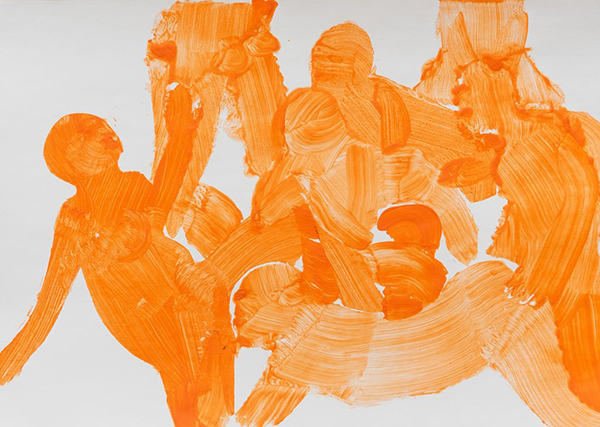
[from the pressrelease]
In Rumors, Ridicules and Retributions, Yun-Fei Ji turns his attention to the stories of people living in rural China. The realities of life outside the nation’s largest cities have largely been ignored by narratives of rapid urban growth. Rural lives are often governed by the whims of the powerful, robbing them of physical and spiritual rootedness. Ji is interested in the ways in which people enact their agency both individually and collectively in the face of these larger societal forces, often through subtle but willful acts of resistance.

Indebted to the long history of folktales in China, Ji is inspired by the tall tales and ghost stories that he has gathered in the Chinese countryside. Full of ghosts, demons, and other eccentric characters, these stories have frequently functioned as metaphors for power structures and defiance. They are stand-ins for the political undercurrents and the complex tug-of-war underlying the social reality of rural communities. Ji’s own political sympathies have attracted the attention of Chinese authorities, leading government censors to cover portions of his paintings on view during the 10th Shanghai Biennale in 2014.

Ji first moved to the United States in the late 1980s. After spending the past six years in Beijing, he currently divides his time between New York and rural Ohio – an experience that has amplified his perceptions of the cultural and ideological disparities in this turbulent political moment. He sees similarities between the migration discourses that he has explored in a Chinese context and the current immigration debates in the United States. In both countries, there is an active “othering” and suspicion of immigrants or migrant workers, fueled by the rhetoric of political leaders.

Yun-Fei Ji has employed the stacked perspective and flattened space of classical Chinese painting throughout his career, reinvigorating this traditional style as a means of contemporary storytelling. The conscious two-dimensionality of Ji’s compositions imbues his narratives with an immediacy that compels the viewer’s attention. His paintings are acts of resistance in their own way, insisting that these stories of cultural degradation, struggle, and resistance are worth telling.

Yun-Fei Ji

Tumbling, 2017-2018
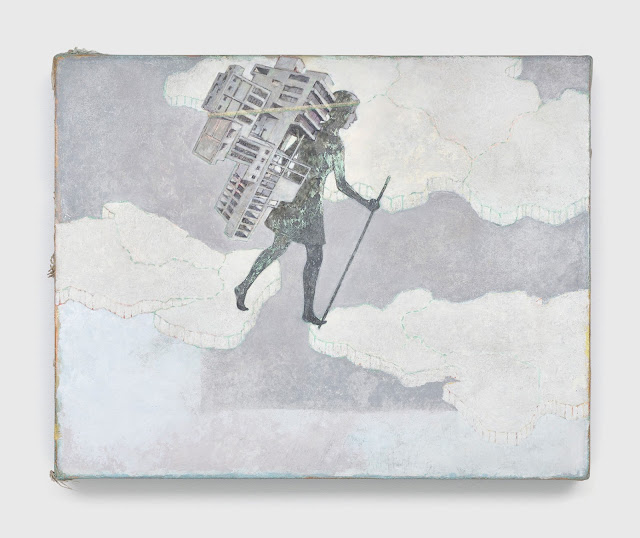
Watercolor and ink on Xuan paper
100.3 x 87.6 cm

25 April 2018

Jana Schröder

Spontacts R4, 2016
copying pencil and oil on canvas
240 x 200 cm

Jana Schröder

Spontacts DL 19, 2015
copying pencil and oil on canvas
200 x 155 cm

Jana Schröder

Spontacts BO 03, 2016
Copying pencil and oil on canvas
200 x 155 cm

21 April 2018

Rose Wylie

Yellow Lolita with Flick-book Skirt, 2018
Coloured pencil, ballpoint pen, and collage on paper
32.4 x 21.3 cm

Rose Wylie. Lolita’s House
20 April – 26 May 2018
David Zwirner, London

Rose Wylie

Yellow Girls, Diary Page, 2018
Coloured pencil, ballpoint pen, and pen on collaged diary pages
27.3 x 20.8 cm

Rose Wylie

Girl Leaning on Two Cars with Lipstick, 2018
Coloured pencil, pencil, and collage on paper
46.8 x 36.9 cm

10 April 2018

Daniel Jensen

untitled, 2017
Oil pastel on paper
52 x 38 cm

Daniel Jensen

Straw, 2017
oil stick and acrylic ink on cotton
100 x 75 cm

Daniel Jensen

Untitled, 2017
oil pastel on paper
42 x 29.7 cm

1 April 2018

Robert Gober

Untitled, 2017
Graphite and pastel on vellum
31 × 23 cm

Robert Gober. Tick Tock
23 February – 21 April 2018
Matthew Marks Gallery, New York

Robert Gober

Icarus, 1967
Graphite on spiral-edged paper
31 x 23 cm

Robert Gober

Speckled Eggs/Dress Fabric/Wallpaper, 1988-2017
Epoxy putty with acrylic, alkyd on cotton, hand-printed silkscreen on paper
38 x 30 x 6 cm

28 March 2018

Struan Teague

Untitled (three one), 2018
oil pastel, pigment and rabbit skin glue on canvas, wood
120 x 95 cm

Links: [website Struan Teague] [Richeldis Fine Art] [Alzueta Gallery] [Artsy]

Struan Teague

Untitled, 2017
oil, pastel and dirt on canvas
180 x 140 cm

Struan Teague

Untitled, 2016
pencil and gesso on canvas
50 x 40 cm

Struan Teague

Untitled, 2016
oil and acrylic on canvas
240 x 180 cm

Struan Teague

What do bees do in a summer like this, 2015
acrylic and enamel on linen
145 x 117 cm

22 March 2018

Jantien Jongsma

Buiten schijnt de zon, 2016
mixed media on paper
160 x 160 cm

Jantien Jongsma

De Jaren Vijftig, 2017
mixed media on paper
174 x 135
3 March 2018

Habib Farajabadi

Untitled painting #015, 2017
acrylic on canvas
190 x 160 cm

Habib Farajabadi

Untitled painting #004, 2016
acrylic on canvas
190 x 150 cm

2 March 2018

Robert Ryman

Stretched drawing (Red), 1963
colored pencil on canvas
40.6 x 40 cm

Robert Ryman. Drawings
23 February – 24 March 2018
Pace Gallery, New York

21 February 2018

Brian Harte

Sorry, 2017
Oil on plywood panel
30 x 40 cm

18 February 2018

Matthias Noggler

Nov 12, 2003, 2017
gouache on paper
61 x 86 cm

Matthias Noggler. Consecrated by Human Use
8 January – 10 March 2018
Galerie Emanuel Layr, Vienna

17 February 2018

Martin Barré

63-F-5, 1963
Enamel and acrylic on canvas
130 x 97 cm

Martin Barré
17 February – 7 April 2018
Matthew Marks Gallery, New York

Martin Barré

75-76-D-157×145, 1975–76
Acrylic on canvas
157 × 145 cm

13 February 2018

Heimo Zobernig

Untitled, 2017
Acrylic on linen
19.7 x 19.7 inches

Heimo Zobernig. Nework
18 january – 24 February 2018
Petzel Gallery, New York

11 February 2018

Francis Alÿs

Cut, 1992-2015
Oil and encaustic on panel
40.6 x 49.8 cm

David Zwirner: 25 Years
13 January – 14 february 2018
David Zwirner Gallery, New York

Marcel Dzama

Die Verwandlung, 2017
Watercolor, ink, and graphite on paper
240.7 x 167.6 cm

Jockum Nordström

På museum, 2017
Watercolor, graphite, crayon, and collage on paper
154 x 120.3 cm

Oscar Murillo

Untitled, 2017
Oil, oil stick, and graphite on canvas and linen
295.3 x 264.8 cm

Raymond Pettibon

No Title (Boston Brave), 2017
Acrylic and colored pencil on paper
160 x 127.6 cm

9 February 2018

Rose Wylie

Blue Shoe with Shine (KM), 2015
watercolor and collage on paper
99 x 72 cm

Rose Wylie. Quack. Quack.
30 November 2017 – 11 February 2018
Serpentine Sackler Gallery

Rose Wylie
Volcano, Japan, 2014
Ink, watercolor, and collage on paper
88 x 86.5 cm

Rose Wylie
Savarin Trifle (Film Notes), 2010
Watercolour and collage on paper
84 × 59 cm

Rose Wylie
Canapes, 2014
Watercolour and collage on paper
126 x 73 cm

Rose Wylie
So Does Everybody, 2014
watercolour, marker pen and collage on paper
89 x 68 cm

A weblog about contemporary drawing, scribbles, notes and an occasional painting or photograph. Click on images to go directly to original pictures, or on the links to learn more about the artist involved. 

Recent Posts

Categories

Index